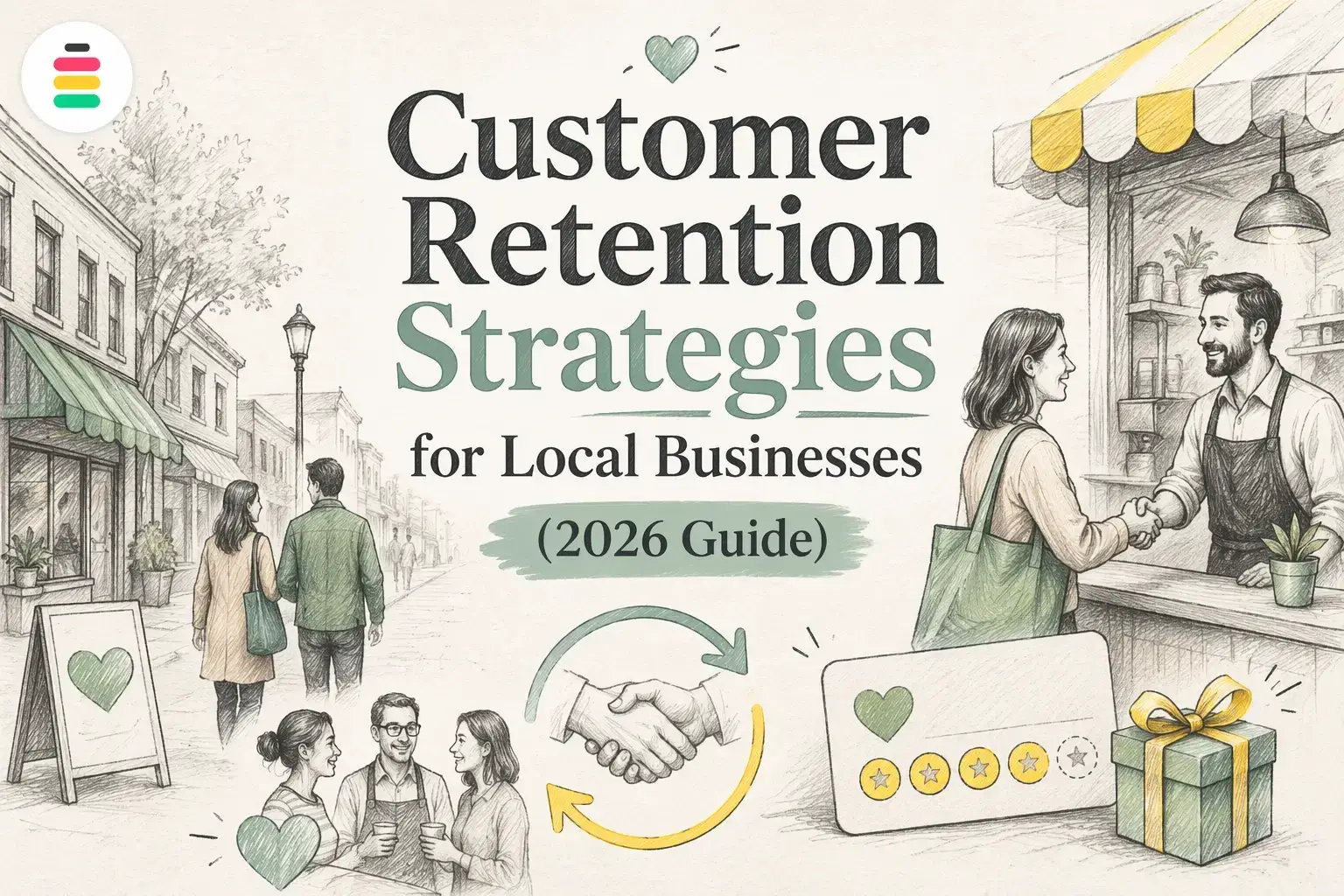
Quick Summary: Customer retention for local businesses in 2026 depends on simple, easy-to-use loyalty programs that focus on habit, convenience, and personal contact. Effective strategies include fast follow-up, app-free rewards, personalized offers based on behavior, and multichannel communication like SMS and email. Tracking key metrics like repeat purchase rate and visit frequency helps improve programs, while clear rewards and staff training prevent confusion and disengagement. Strong retention drives more revenue and long-term growth, making it a crucial part of local business success.
A neighborhood coffee shop, salon, or boutique can lose repeat buyers fast when its Loyalty Program is hard to remember, slow to reward, or invisible after checkout. That is the real Customer Retention problem local brands face in 2026. Many owners still treat Retention Strategies like a punch card or one-time discount, but real Customer Loyalty needs more.
This guide shows how to build Customer Retention with better Retention Strategies, smarter Reward Programs, stronger Customer Engagement, and simple App-Free Rewards that people will actually use. It covers Digital Loyalty, reactivation, measurement, and practical Business Loyalty Solutions for Local Business Loyalty. These Retention Strategies and Customer Retention ideas come from what works across retail, food service, wellness, and multi-location teams.
Retention pays back faster than most ad spend. For local businesses, regular customers bring steady revenue, lower remarketing costs, and more referrals. Square's 2026 local economy report found that regular customers drive 6x more annual revenue than one-time visitors for local businesses, which is a strong case for making retention a core growth system, not a side tactic Square's 2026 Local Economy Report.
Your framework should focus on three jobs:
A simple Loyalty Program helps, but it works best inside a bigger system that includes follow-up messages, offers, and staff habits.
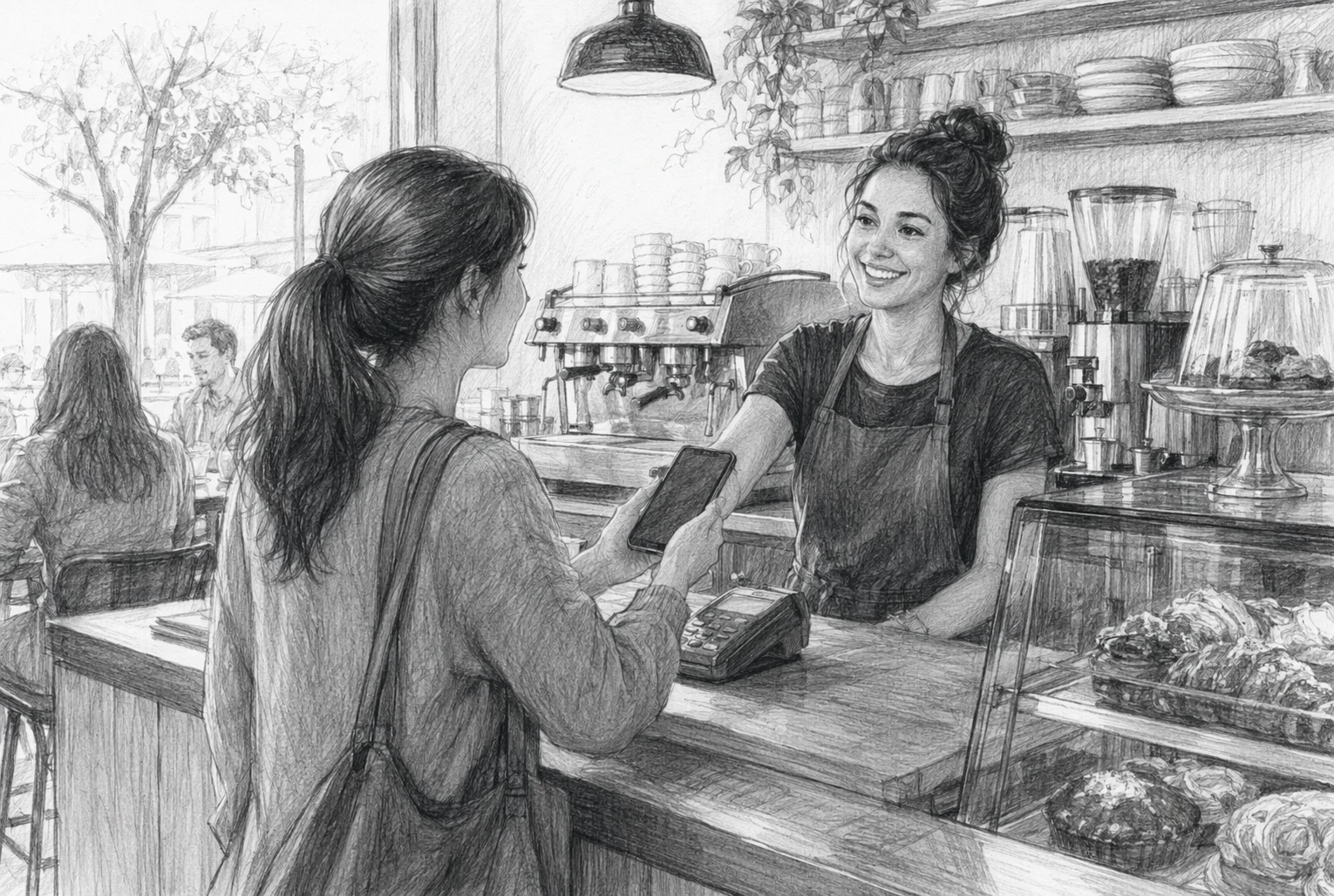
If you only track new customers, you miss the people already funding your growth.
Local retention is built on habit, convenience, and human contact. People come back because your shop is nearby, your team remembers them, and the visit fits their routine. Square also found that 32% of regular customers are shared by businesses in the same ZIP code, so nearby brands can help your retention, not just compete with it Square's local economy report findings.
That changes how you build a Loyalty Program:
For most local brands, the best Loyalty Program feels simple, personal, and part of the everyday visit.
Pick a loyalty model that fits how people buy from you. Stamps work for coffee, dessert, and car wash visits. Points fit stores with mixed basket sizes. Tiers help salons, gyms, and spas reward bigger spend. Memberships work when you can give clear monthly value. Deloitte found consumers join many programs but actively use fewer, so simple beats clever Deloitte's 2026 loyalty research.
If staff cannot explain it in 10 seconds, customers will ignore it.

App-free rewards remove friction. Many local customers will not download another app for one shop. A wallet pass, text link, or phone number lookup is faster. This is where platforms like OneCup stand out for local businesses that want digital loyalty without adding another app step.
Square's 2026 local economy report says regular customers drive 6X more revenue for local businesses, so easy repeat use matters Square's 2026 local economy report.
Rewards need to feel worth earning.
| Reward type | Best use | Why it works |
|---|---|---|
| Free item | Cafes, bakeries, QSR | Fast, clear value |
| Dollar credit | Retail, beauty | Flexible choice |
| VIP perk | Wellness, salons | Feels exclusive |
Customers stay loyal when the value feels real, not delayed.
Age and zip code only tell part of the story. Loyalty grows faster when you group customers by what they do. A 2026 Wharton field experiment found that response to personalization varies even within the same segment, and demographics alone did not explain those differences well Wharton research.
Use simple behavior groups like:
Then tailor offers to each group. A cafe can reward weekday regulars with a breakfast perk. A salon can nudge no-shows with an easy rebooking bonus. OneCup fits well here because app-free loyalty makes it easier to track visits and reward habits without adding friction.

Start with purchase history, visit frequency, average spend, and last visit date. That is enough for most local businesses.
Timing matters as much as the offer. Attentive's 2026 shopper research says 80% of shoppers are likely to ignore brands that send irrelevant messages and 81% are more likely to buy after back-in-stock notifications 2026 personalization trends.
Good timing usually looks like this:
Keep messages short and useful. If someone just redeemed a reward, do not blast them with another generic promo the same day.
Your store, front desk, or counter should feed your retention system. Train staff to greet regulars by name, explain rewards in one sentence, and invite the next visit before checkout. Keep sign-up simple with a QR code, phone number, or app-free option like OneCup. The goal is clear:
If staff cannot explain your loyalty offer in 10 seconds, customers will ignore it.
Most repeat visits happen because your business stays top of mind. Use email, SMS, and your Google Business Profile for useful follow-up, not nonstop promos. Send visit-based messages like thank-yous, reminders, birthday offers, or win-back texts. According to SimpleTexting's 2025 report, 84% of consumers are opted in to receive texts from businesses, so SMS is now a normal retention channel.
Retention grows when customers see other people choosing you. Ask happy buyers for reviews, repost customer stories, and reply to feedback fast. BrightLocal's 2026 survey found that 97% of consumers read reviews for local businesses. That means reviews do not just drive first visits. They help confirm repeat choices too.
| Retention input | Best channel | Main goal |
|---|---|---|
| Review request | SMS or email | Capture proof |
| Customer story | Social media | Build belonging |
| Review reply | Google or review sites | Show care |
Track a short list of numbers first. Most local businesses need repeat purchase rate, visit frequency, average spend per returning customer, customer retention rate, and win-back rate. Add reward redemption rate so you know if people care about your offer.
According to Inc. reporting on Square data, regulars generated six times the annual revenue of one-time visitors in 2025. That is why repeat behavior matters more than sign-up totals.
| Metric | What it tells you | Red flag |
|---|---|---|
| Repeat purchase rate | How many customers come back | Flat or falling over 3 months |
| Visit frequency | How often they return | Long gaps between visits |
| Average spend | Value of loyal buyers | Discounts shrinking margin |
| Win-back rate | Reactivation success | Offers ignored repeatedly |
Do not judge your loyalty program by sign-ups alone. Measure return behavior.
Use your data to find weak spots, then test one fix at a time. Start by grouping customers into simple segments:
Then match each group with one action:
CustomerGauge notes that many brands still do not measure core loyalty outcomes well. Keep your dashboard simple, review it monthly, and cut any reward that gets redeemed but does not lift repeat visits.
Customers stop caring when rewards feel far away or confusing. Keep the path simple. If people need to read fine print, ask staff twice, or wait months for a small perk, your program loses steam. According to Antavo's 2026 loyalty report, 26.2% of loyalty points go unspent, and 49.1% say rewards take too long to earn.
If redemption feels like work, retention drops.
A loyalty offer cannot help if customers barely know it exists. Many local businesses launch a program, mention it once, then leave it to chance. Staff forget to ask. Signs go stale. Email and SMS stay silent. Antavo also found that 68.6% of customers say promotions influence shopping behavior.
Use a simple routine:
Use simple loyalty rewards, fast follow-up texts, win-back offers, and staff training. Keep records clean. Reward visits, not just spend. Make every repeat visit feel easier and more personal.
They remove friction. Customers join fast, track rewards easily, and come back sooner. App-free options like OneCup help more people take part, especially casual shoppers who will not download another app.
Personalized rewards make offers feel relevant. Send birthday perks, category-based deals, and return reminders based on visit history. Small local brands win when customers feel known, not treated like a generic list.
Start with one clear reward, simple signup, and staff scripts. Promote it at checkout, by text, and on receipts. Test redemption speed first. If claiming rewards feels slow, retention drops.
Track repeat visit rate, days between visits, reward redemption, inactive customer rate, and average spend from members versus non-members. Review monthly by location so problems show up before revenue slips.
They can match chain-level convenience without chain-level budget. Use loyalty data to send timely offers, reward regulars, and bring back lapsed customers before competitors win the next visit.
Match the reward to buying habits. Cafes do visit-based rewards. Salons use rebooking perks. Retail stores use category offers. Multi-location brands should keep one core program with local offer flexibility.
Retention lifts revenue without constant ad spend. Repeat buyers spend more, refer others, and forgive small mistakes. Strong retention also makes demand easier to predict, which helps staffing and inventory planning.
Customer retention works best when you treat it like a system, not a single loyalty offer. Local businesses win by making repeat visits easy, personal, and worth it across in-store, email, SMS, and reactivation campaigns. Track return rate, redemption, visit frequency, and churn by segment. Keep rewards simple. Train staff well. Follow up fast. According to the SBA Office of Advocacy, small businesses make up 99.9% of U.S. firms, so better retention has a huge real-world impact. Recent Square data reported by Inc. also shows regulars can drive far more revenue than one-time buyers.
If you're ready to turn these retention strategies into action, OneCup offers app-free digital loyalty cards built specifically for local businesses. Get started with OneCup and see how simple digital loyalty can be.
OneCup LLC
651 N BROAD ST - SUITE 201
MIDDLETOWN DE 19709
United States
Whatsapp : +18023003737

.svg)

.svg)