Quick Summary: Loyalty rewards can increase average order value by encouraging customers to add more items and spend more per visit. Effective strategies include spend thresholds, tiered perks, personalized offers, and exclusive benefits, tailored to different industries. Digital platforms like OneCup simplify reward management and reduce friction, boosting participation. Tracking metrics like AOV, margin, and repeat visits helps optimize programs for profitability and growth.
A coffee chain that gives a free pastry at $18, a salon that adds bonus points for retail add-ons, and a boutique that unlocks better perks for bigger baskets all chase the same goal: higher Average Order Value through a smart Loyalty Rewards Program. The problem is simple. Many brands run discounts that train people to spend less, not more. They want to Boost Customer Spending and Increase Order Value, but their offers cut margin or feel random.
This guide shows how to use Customer Loyalty Strategies, strong Reward Program Ideas, and better offer design to grow Average Order Value without losing control of profit. You will see how a Loyalty Rewards Program, Digital Loyalty Platforms, and practical Loyalty Program Tips connect with real Reward Program Benefits and useful Customer Engagement Tips. This approach comes from proven Customer Loyalty Strategies used across retail, food, and service brands to lift Average Order Value with a measurable Loyalty Rewards Program.
Average order value goes up when your loyalty program gives customers a reason to add one more item, not just chase a cheap deal. Strong Customer Loyalty Strategies do this by rewarding higher spend, repeat visits, and better product mix. According to Statista's 2025 loyalty overview, shoppers care about perks like discounts, free products, and early access. That means value matters, but it does not have to mean constant price cuts.
The loyalty mechanics that matter most are usually simple:
| Mechanic | How it lifts AOV | Margin impact |
|---|---|---|
| Spend threshold | Encourages add-on purchases | Usually controlled |
| Points multiplier | Increases basket during promos | Better than flat discounts |
| VIP tier | Builds higher long-term spend | Strong if perks are selective |
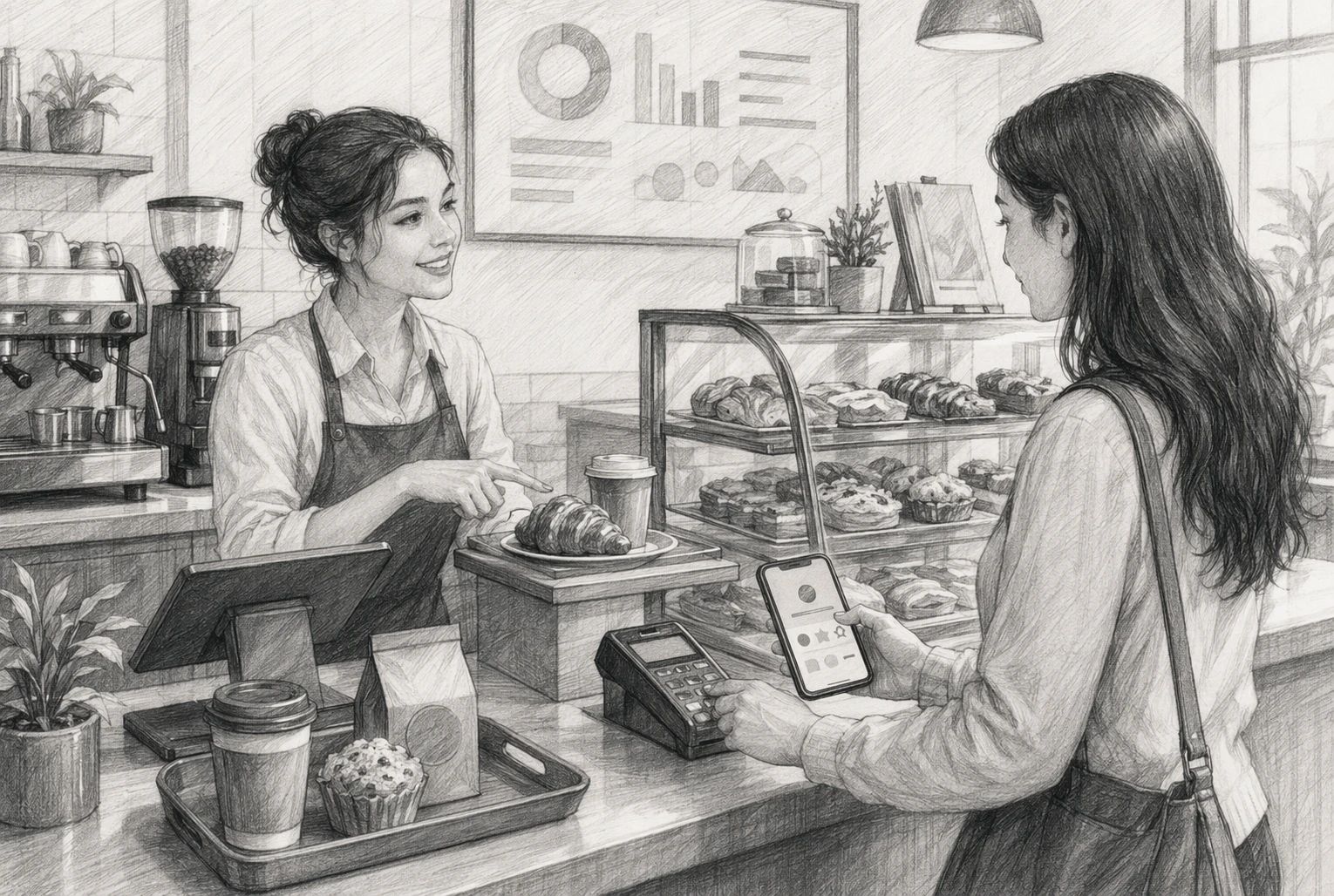
Digital convenience changes participation because friction kills action. The 2025 EY Loyalty Market Study found that mobile use is a major loyalty habit, especially for easy access and faster engagement.
If customers can see rewards fast and redeem without an app download, they are more likely to join, use, and spend.
That is where platforms like OneCup fit well. App-free access makes Customer Loyalty Strategies easier to use in-store and on the go.
Pick a reward structure based on how often people buy, how much margin you keep, and what behavior you want to change. A weak fit turns loyalty into a discount habit. A smart fit lifts basket size without giving away too much. Umbrex notes that strong programs are built around a clear customer behavior goal, not just generic rewards (customer behavior goal).
Points work best when customers buy often, like in coffee, casual dining, beauty, or convenience retail.
If the path to value feels too long, people stop caring. Open Loyalty stresses that points work better when tied to clear actions like second purchases, category pushes, or spend thresholds (points tied to behavior).
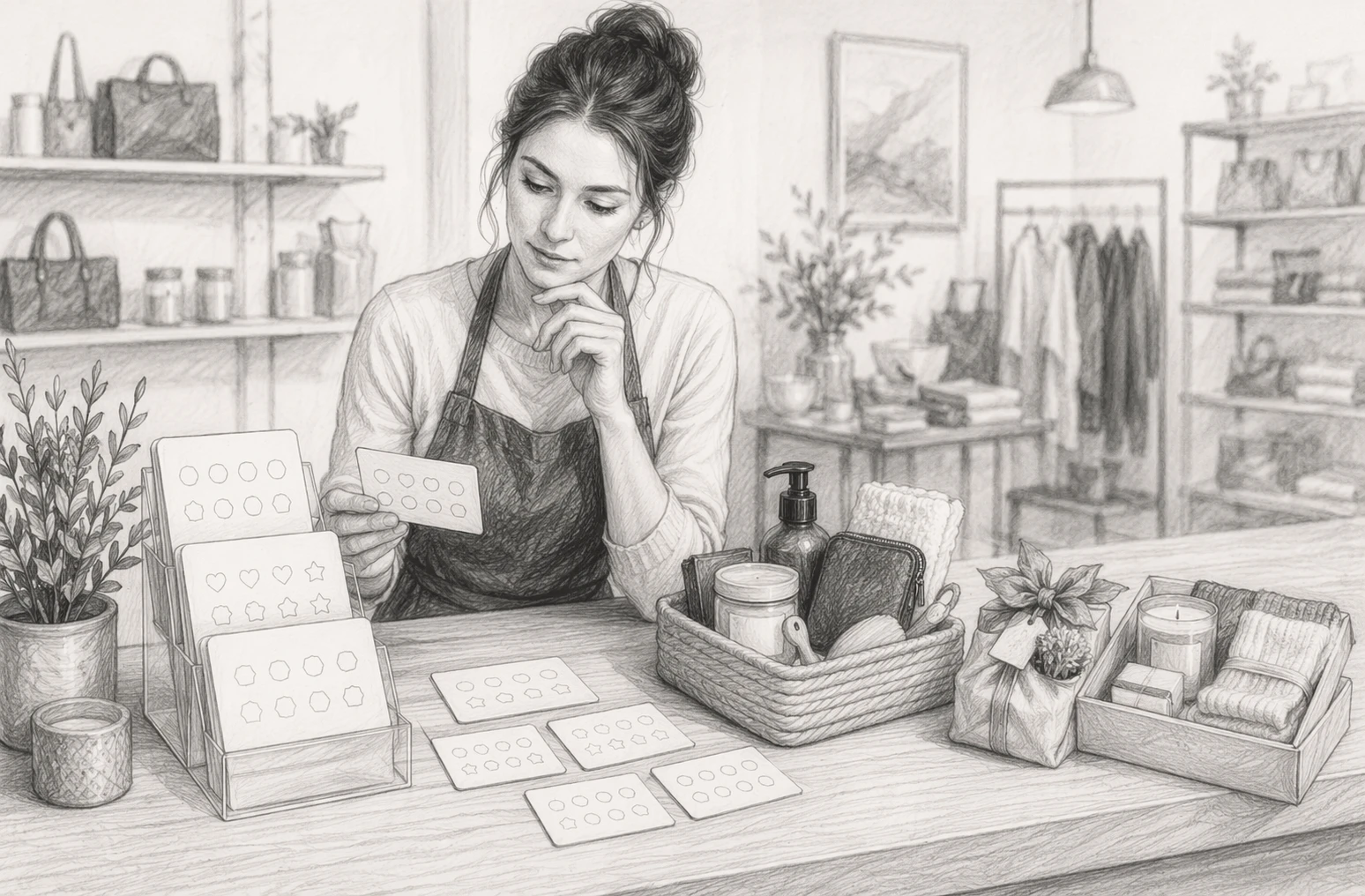
Tiers fit businesses with repeat buyers and room to grow share of wallet.
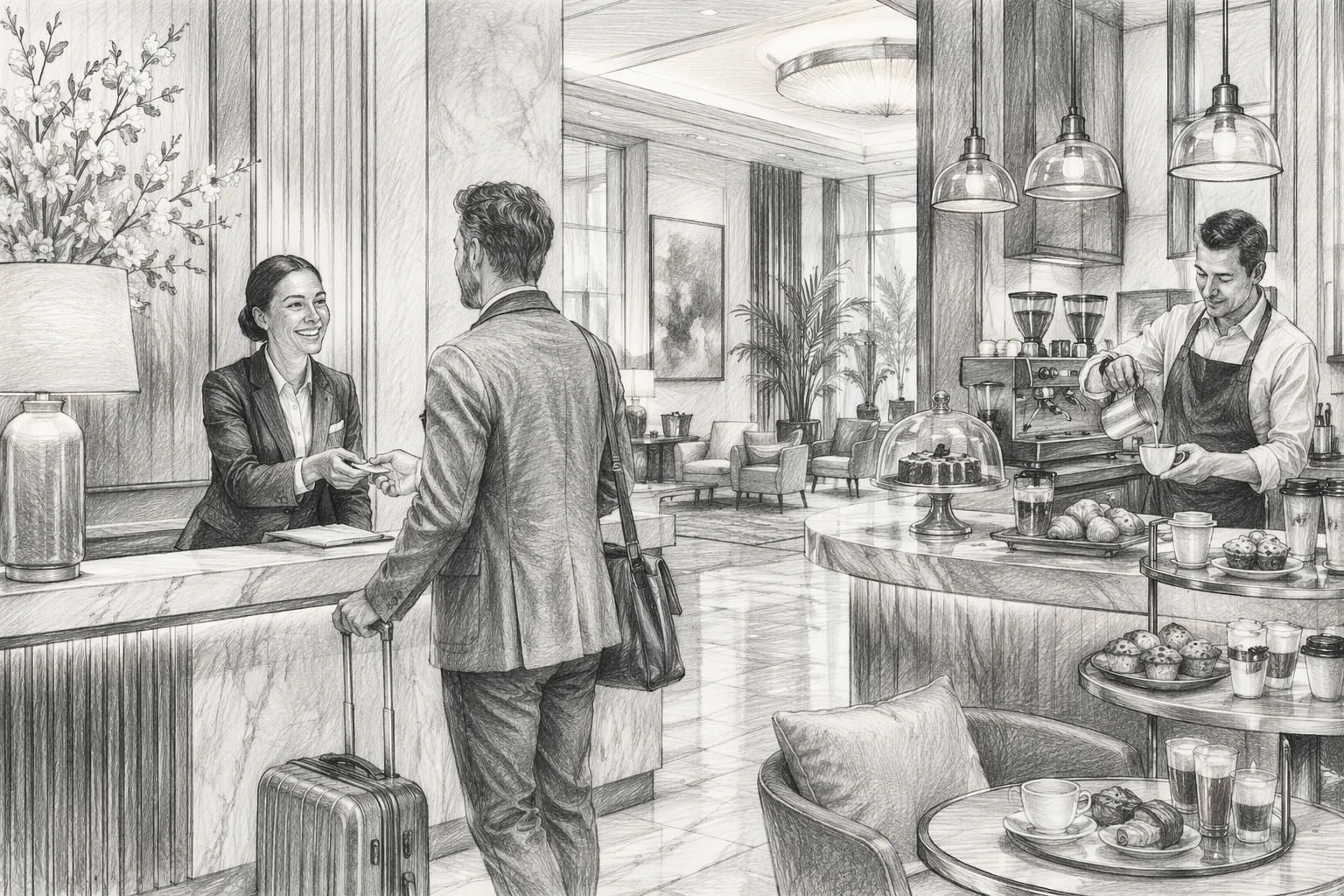
This works because status creates a reason to keep spending with you. It is strong for salons, hotels, specialty retail, and restaurant groups with regulars.
If your top customers already drive a big share of sales, tiers usually beat flat points.
Threshold rewards lift the order happening right now.
| Reward type | Best use | Example |
|---|---|---|
| Spend threshold | Raise basket size | Spend $40, get a free side |
| Category threshold | Push add-ons | Buy 2 mains, unlock dessert |
| Time-based threshold | Fill slow periods | Spend $25 before 5 PM for bonus points |
Use them when customers are close to the target. OneCup can help here because app-free, simple reward tracking keeps the offer easy to understand at checkout.
Set rewards just above your current average ticket. If most orders land at $22, offer a bonus at $28 or $30. That small gap gives customers a clear reason to add one more item.
Deloitte found 72% of consumers say loyalty programs make them more likely to spend with their preferred brand, and 56% increase their spending because of the program according to Deloitte.
Put the milestone close enough to feel reachable, but high enough to lift margin.
Generic rewards waste budget. Use purchase history to push the next best add-on. If a guest buys burgers, reward fries. If a retail shopper buys skincare, offer bonus points on serum bundles instead of a storewide discount.
EY's 2025 loyalty study says consumers want thoughtful personalization and that some shoppers may prefer exclusive products, content, or gamified challenges over plain discounts in the EY report.
Not every reward should cut price. Perks can raise basket size without crushing margin.
| Reward type | Best use | AOV effect |
|---|---|---|
| Early access | New items and seasonal drops | Encourages bigger planned orders |
| VIP bundles | Premium buyers and regulars | Lifts trade-up behavior |
| Fast service or reserved pickup | Busy lunch, retail rush, events | Adds value without heavy discounting |
Customers often spend more to keep access to benefits they value. OneCup can support this with simple, app-free reward flows across in-store and digital visits.
Different industries need different reward triggers. A coffee shop, salon, and chain retailer do not win on the same customer habit. Deloitte found 72% of consumers say loyalty programs make them more likely to spend with a preferred brand and 56% say they increase spending because of the program according to Deloitte.
Use rewards that fit high-frequency, low-friction visits. Think free add-ons, timed offers, or visit streaks instead of large delayed discounts.
Keep redemption simple. Staff should explain it in one sentence at checkout.
These businesses work best with tiered and habit-based rewards. Clients buy in cycles, so your program should protect rebooking and add-on services.
A Harvard Business Review study noted that loyalty works better when it changes actual buying behavior, not just sign-ups as HBR explains.
Focus on cross-location recognition and basket growth. If customers earn in one store, they should redeem anywhere.
For operators with many sites, a digital system like OneCup helps keep the experience consistent without adding app friction.
Track AOV before and after join date first. Shopify defines AOV as revenue divided by orders, so keep the time period the same for every group in your AOV formula. Then track:
AOV can look better because of a few big orders. Check median order value to see what most customers really spend.
A bigger basket is not enough. Measure incremental gross profit after reward cost, discount cost, free item cost, and platform fees. Research shared by Singapore Management University says managers should track revenue and cost changes by customer segment, not just averages, because loyalty can raise purchases while also raising benefit costs in ways that hurt profit profitability warning.
Use a simple scorecard:
| Metric | Good sign | Bad sign |
|---|---|---|
| AOV | Rising steadily | Spikes only during promos |
| Margin per order | Holds or improves | Falls after rewards |
| Redemption rate | Healthy and stable | High but unprofitable |
Optimize when AOV stalls for 2 to 3 cycles, redemptions rise but margin drops, or top members buy more often but not bigger. That usually means your reward threshold, bonus item, or tier gap needs work.
Use spend-threshold rewards, bundle bonuses, tier perks, and limited-time double points on high-margin items.
They track spend, trigger targeted offers, and make upsell rewards easy in retail, hospitality, and food service.
Look for flexible rewards, customer segments, spend tracking, expiry rules, and clear reporting.
Personal rewards feel relevant, so customers add more to qualify and return more often.
Keep rules simple, reward profitable behavior, train staff, and test offers by location.
Start with one clear spend goal, promote it at checkout, and review margin weekly.
Check privacy laws, tax rules, language needs, and local buying habits before launch.
OneCup removes app friction, speeds sign-up, and helps businesses push easy reward goals that lift basket size.
Loyalty rewards lift average order value when you make the next spend feel worth it, not cheap. The core play is simple:
The best programs connect in-store and digital behavior, because customers buy across both. Recent data shared by Square shows regulars generate six times the annual revenue of one-time visitors in many small business settings, according to Inc.'s coverage of Square data. Loyalty teams also keep investing because Antavo's 2026 report found most measured programs report positive ROI.
If you want to turn these strategies into a working rewards program, OneCup offers app-free digital loyalty cards built to help small businesses lift average order value. Get started with OneCup and see how simple digital loyalty can be.
OneCup LLC
651 N BROAD ST - SUITE 201
MIDDLETOWN DE 19709
United States
Whatsapp : +18023003737

.svg)

.svg)