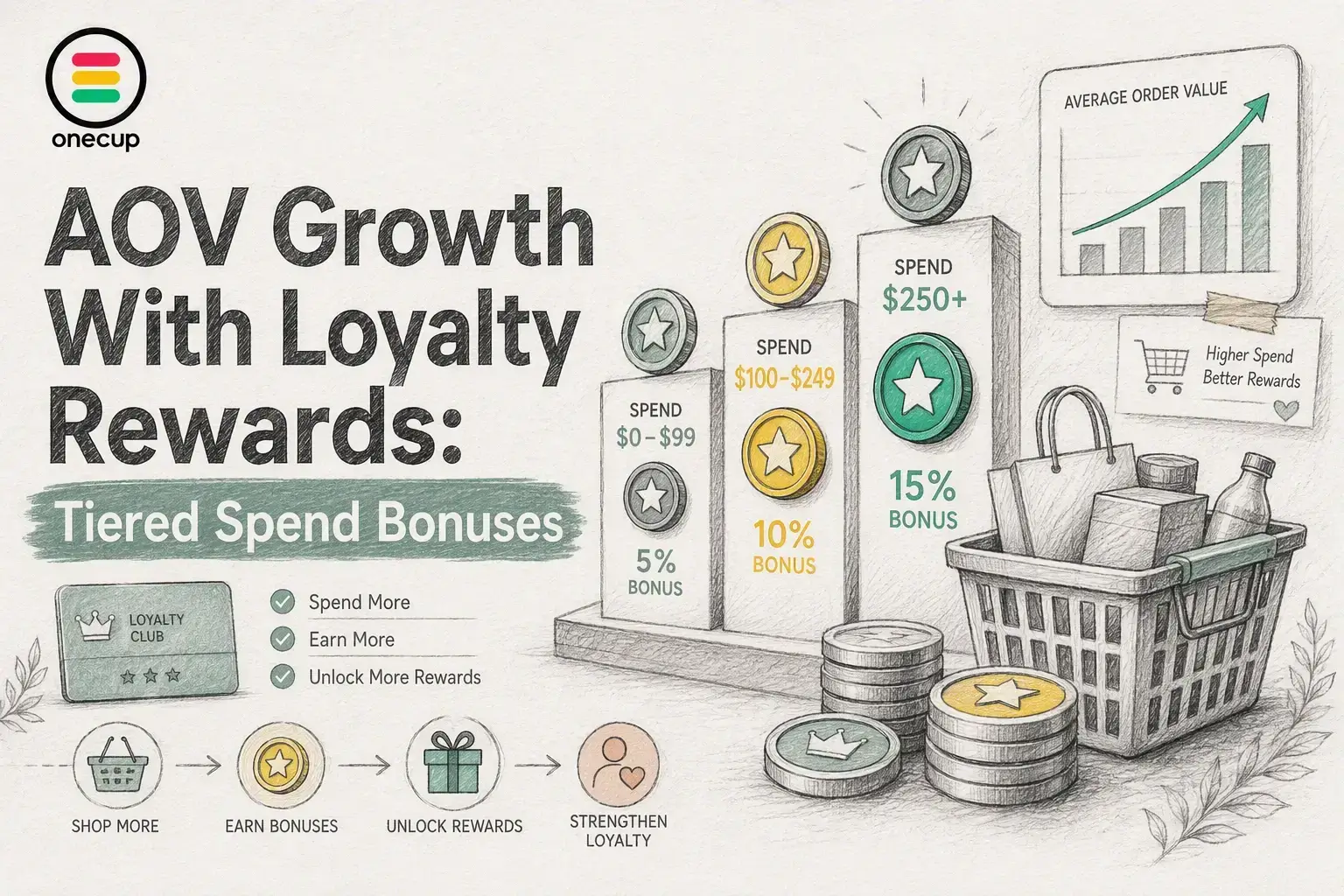
Quick Summary: Using tiered spend rewards can boost average order value by encouraging customers to add items to reach higher tiers. Setting realistic thresholds based on actual AOV and offering small, immediate rewards helps grow sales without hurting margins. Making progress visible and using strategic nudges motivate customers to spend more and return more often.
A coffee shop can lift average tickets fast by swapping a flat punch card for a three-tier spend ladder. Guests add a pastry, size up a drink, or push past a basket minimum to reach the next reward. This guide tackles the hard part: setting thresholds that grow sales without crushing margin. I’ll show practical AOV Growth Strategies, smart Loyalty Tier Benefits, and Customer Retention Tools operators use. These AOV Growth Strategies come from real program design work and day-to-day store economics.
Start with your real AOV, not a guess. Shopify defines average order value as gross sales minus discounts, divided by orders in its sales reports. For AOV Growth Strategies, set Tier 1 just above that number so the next step feels easy.
Build a ladder customers can see and want to climb.

Stripe suggests threshold incentives often work best when set 20% to 30% above current AOV for cart growth. Still, check your margin and visit rate.
| Tier | Threshold check | What to watch |
|---|---|---|
| Entry | Near current AOV | Fast adoption |
| Mid | Above common basket size | Margin hold |
| VIP | Fits repeat buyers | Purchase frequency |
Push thresholds too high, and customers stop trying.
Also Read: Loyalty Reward Cards: How They Work and Why Your Business Needs One
Give a small, fast reward after a customer clears your target spend. A bounce-back credit or bonus points for the next visit works well. Research shows direct and immediate rewards often outperform more complex systems in sales impact, according to this loyalty design study.
Keep entry rewards simple, then save your best value for higher spenders. Think priority access, bonus earn rates, or exclusive bundles. That protects margin while giving customers a clear reason to stretch their basket. McKinsey notes loyalty and pricing should work together to drive growth, not just discounts through disconnected promos.
Skip flat discounts with no threshold. Avoid low bars that customers already hit. Use rewards that require one more item, one upgrade, or the next spend tier.
Also Read: Loyalty Program Cards: The Complete Guide for Businesses
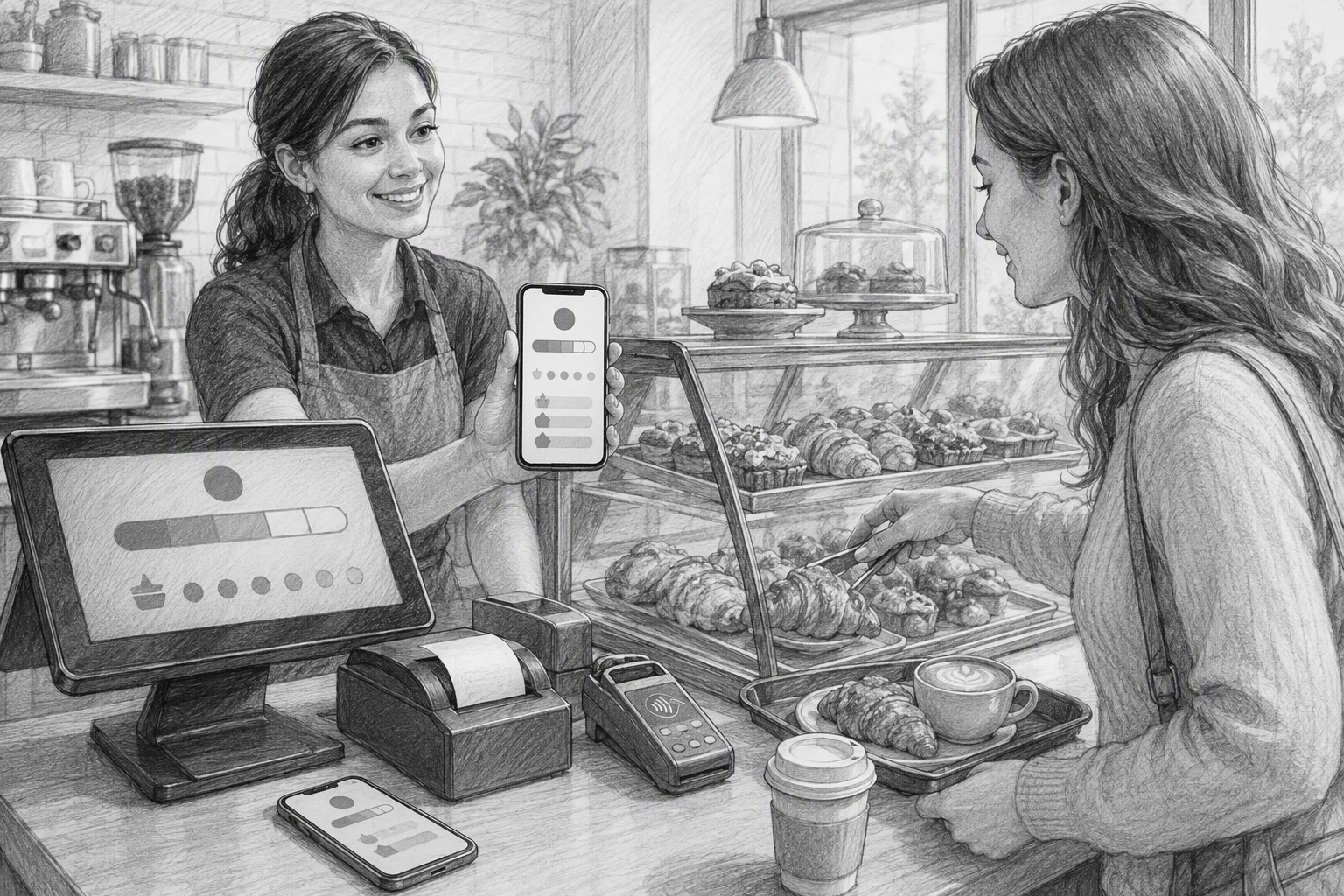
Keep the nudge margin-safe. Push add-ons with strong profit, not low-margin staples.
Also Read: Innovative Loyalty Tiers and Rewards for Salons and Spas in 2026
Track AOV by tier, not just member vs non-member. AOV is simply revenue divided by orders, per Shopify's AOV definition. Compare each tier against a pre-tier baseline, then split by location, channel, and new vs repeat buyers.
Watch metrics that show real behavior change:
Adobe notes that repeat order probability and time to next order help show if buyers truly come back more often, not just spend once (Adobe's repurchase behavior guide).
| Check | What to look for |
|---|---|
| AOV lift | Higher spend within the same tier |
| Threshold pull | More orders landing just above spend goals |
| Margin health | Reward cost stays under added gross profit |
If AOV rises but margin drops, your tier design still needs work.
Ready to raise basket size with smarter spend tiers? OneCup helps you launch app-free loyalty rewards fast, track performance, and grow repeat spend across every location.
Set clear spend goals just above your current average basket. Customers add one more item to reach the next reward. That small push lifts order size without heavy discounting.
Use 2 to 4 tiers, margin-safe rewards, and thresholds based on real basket data. Test entry points by location. Keep benefits simple, visible, and easy to earn in one visit.
Tiers work because people want value, progress, status, and belonging. Base rewards meet savings needs. Higher tiers add access or recognition, which makes customers feel smart, seen, and motivated to spend more.
Tiered spend bonuses work when thresholds feel reachable, rewards protect margin, and staff explain them well. That matters more now, as consumers are trading down on extras, according to the National Restaurant Association.
OneCup LLC
651 N BROAD ST - SUITE 201
MIDDLETOWN DE 19709
United States
Whatsapp : +18023003737

.svg)

.svg)