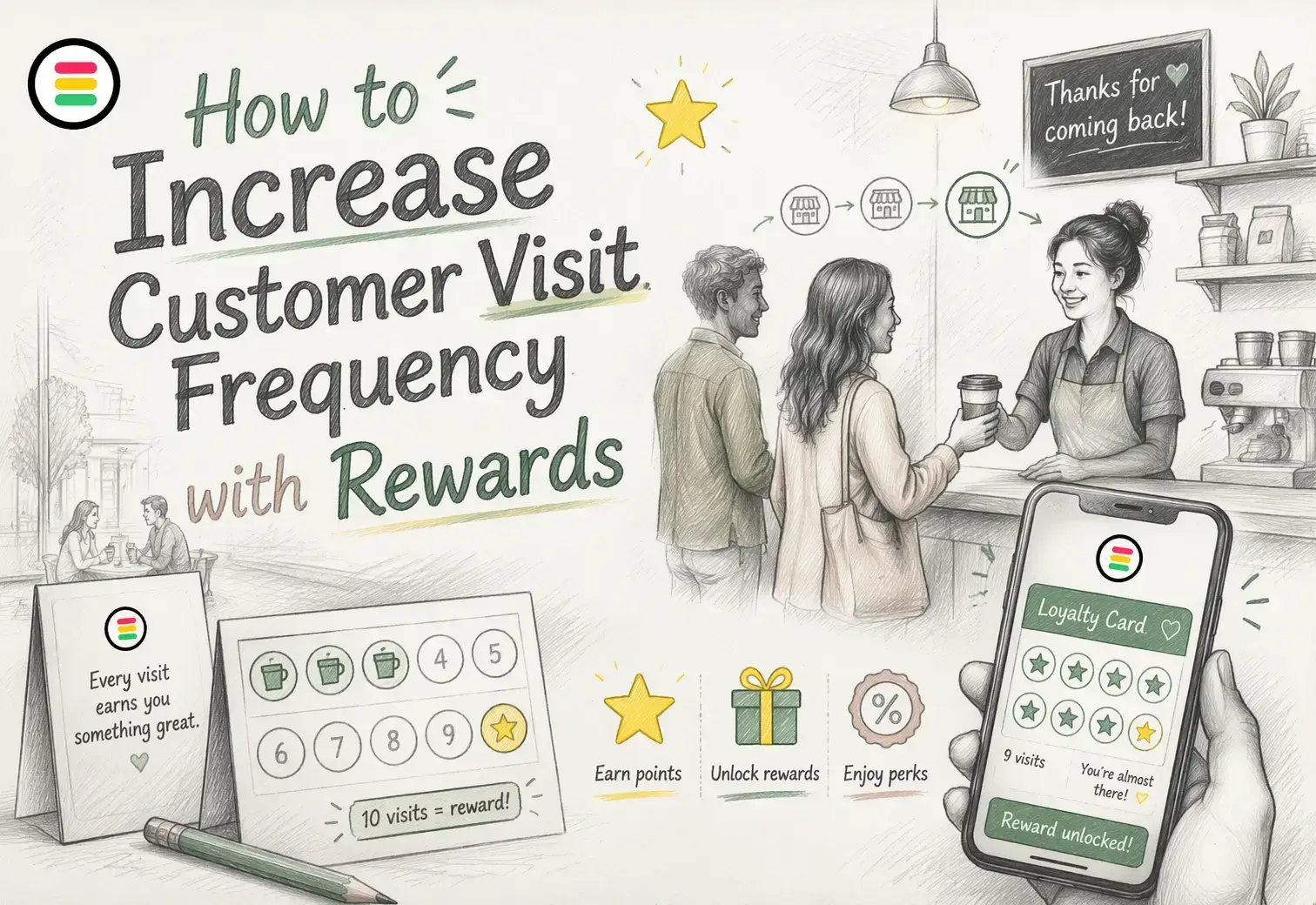
Quick Summary: Reward programs that focus on increasing visit frequency are more effective than just offering discounts. Simple, digital, and easy-to-understand rewards that track progress and create quick wins encourage customers to return more often. Matching reward types to buying habits and using time-limited or triggered offers can boost loyalty without hurting margins. Platforms like OneCup help make these programs seamless and accessible across locations, ultimately strengthening customer habits and retention.
A coffee shop that turns a once-a-week guest into a three-times-a-week regular does not need more foot traffic ads. It needs Reward Programs that make the next stop feel closer, easier, and worth it. That is the real gap for many local brands. They launch Loyalty Programs, but still fail to lift Visit Frequency, Customer Engagement, or Customer Retention.
This guide shows how to fix that. You will see which Reward Strategies drive repeat behavior, how Reward Incentives shape habits, and why Digital Loyalty often beats punch cards alone. We will cover Loyalty Marketing ideas that strengthen Customer Loyalty, not just one-off sales.
This advice comes from patterns that work across retail, food, wellness, and service brands. Strong Loyalty Programs, smart Reward Programs, and a clear Customer Loyalty plan can raise visits fast when the offer fits real buying habits.
Visit frequency is how often a customer comes back in a set time, like weekly or monthly. In most local businesses, that matters more than one big sale. A single high ticket visit can help cash flow. Repeated visits build habits, steadier revenue, and stronger Customer Loyalty.
Research backs this up. A large meta-analysis of loyalty programs found that Loyalty Programs strongly improve behavioral loyalty, which means actual repeat buying. For a café, salon, gym, or car wash, that is the core win.
| Focus | One-off transaction | High visit frequency |
|---|---|---|
| Revenue pattern | Spiky | More predictable |
| Customer habit | Weak | Strong |
| Retention value | Short-term | Long-term |
If customers visit often, you need fewer new customers just to stay flat.
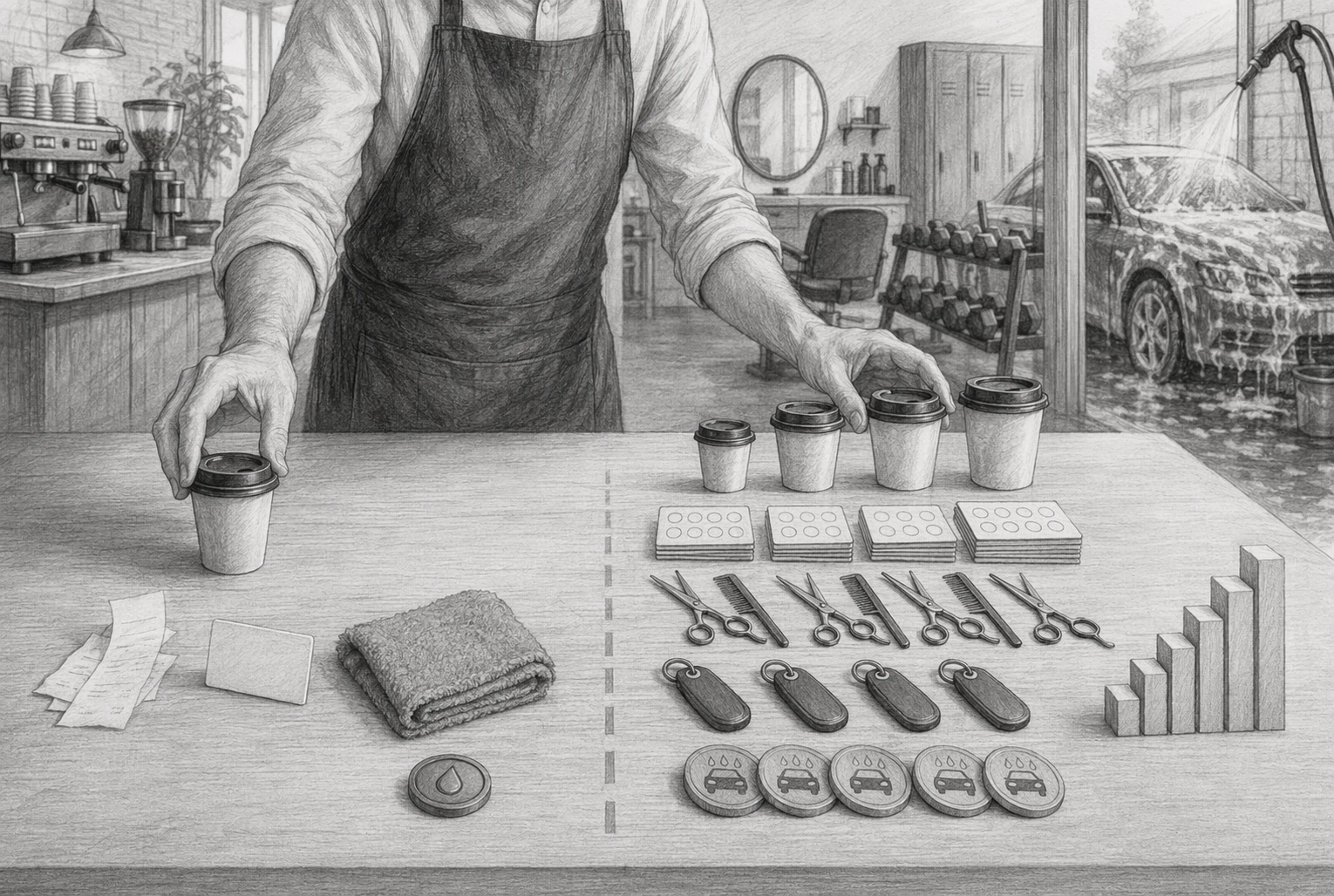
Reward Programs work because they give customers a clear reason to return soon, not someday. They turn "I should go back" into "I am two visits away from my reward."
A 2025 study on points design found that accelerating point structures can raise spending intentions by increasing perceived reward value. That is why good Reward Programs use simple progress, visible milestones, and easy redemption.
Use these behavior triggers in your Loyalty Programs:
That is how Customer Loyalty grows. Not from discounts alone, but from repeat actions that feel easy, fair, and worth finishing.
Your reward structure should match how people already buy from you. If visits happen often and baskets stay small, keep rewards simple. If customers spend more over time, add status and better perks. Open Loyalty's 2026 report says loyalty teams are putting more weight on real-time rewards and experience-led programs, not just basic points according to its 2026 trends report.
These work best when customers come back often and decide fast.
| Model | Best fit | Main benefit |
|---|---|---|
| Points | Retail and larger tickets | Rewards bigger spend |
| Stamps | Simple repeat purchase businesses | Easy to understand |
| Visit-based | Frequency-first businesses | Builds habit fast |
Pick the model customers can explain in one sentence. If staff need a script, it is too complex.
A good first reward should feel reachable within a few visits, not months.
Tiers work when you want to grow both frequency and customer value.
This model fits restaurants, medspas, boutiques, hotels, and multi-location brands with clear high-value segments. Gleantap notes that tiered programs work because they combine progress with status, which pushes more repeat action in its 2026 loyalty guide.
Not every reward should be a discount.
These perks create memory, not just savings. They work well for hospitality, beauty, wellness, and premium service brands.
Use surprise sparingly. Too much turns it into a coupon habit. OneCup can support this well when you want app-free delivery with simple reward tracking across locations.
Make the first reward feel close. If it takes too long, people stop caring. A practical rule is to set the full cycle to about 3 to 6 weeks, so customers see progress before interest drops, as noted in BTAQA's loyalty best practices.
Use simple structures like:
Keep the first win easy. The second and third rewards can ask for more.
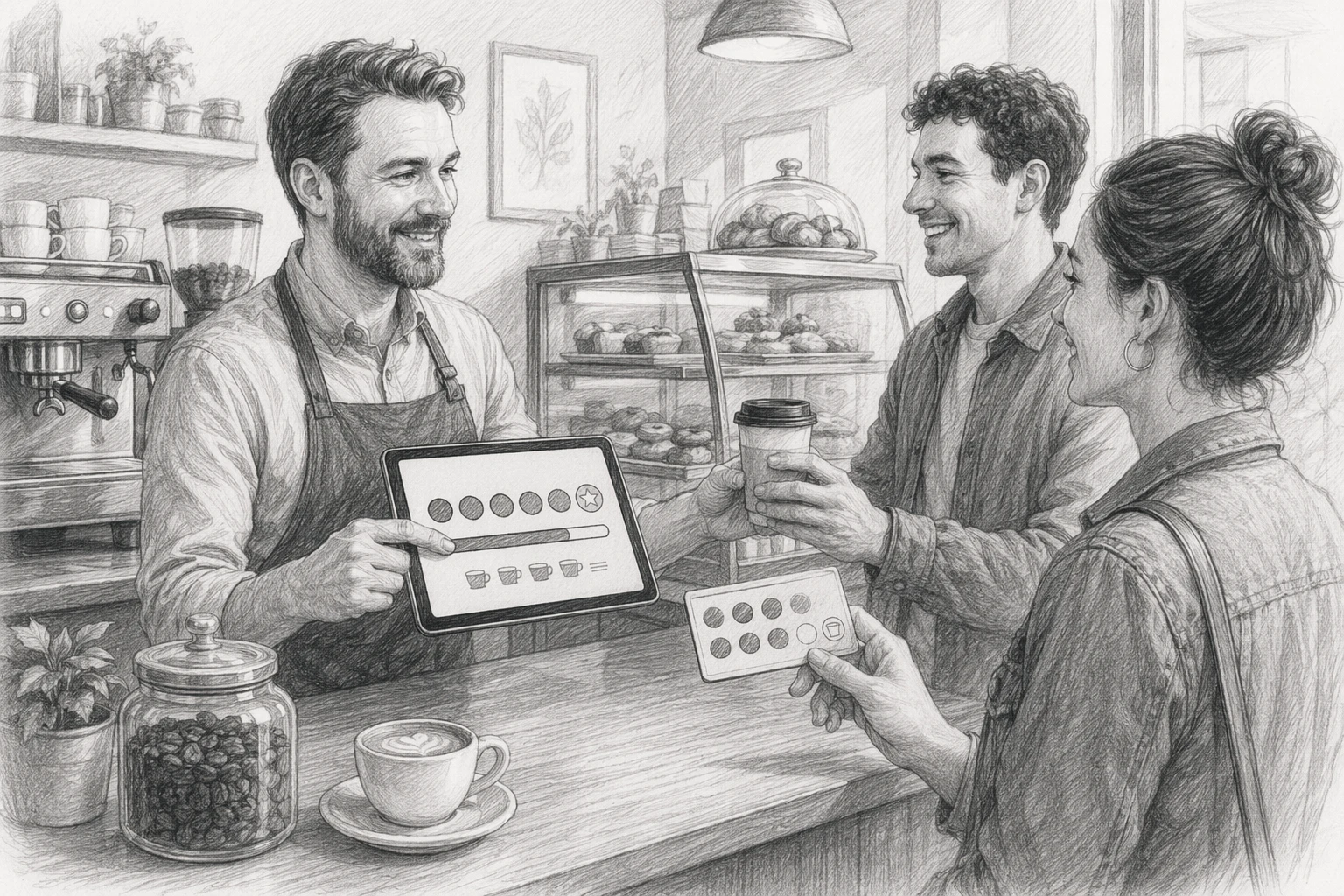
Your reward should feel valuable to the customer, but cost you less than a straight discount. BTAQA suggests a reward cost of about 8% to 15% of total spend in a cycle. That is a useful starting range for local businesses.
Use this table to shape reward value:
| Reward type | Margin impact | Best use |
|---|---|---|
| Free add-on | Low | Cafes, salons, wellness |
| Free core item | Medium | Strong margins, habit products |
| % off next visit | Higher | Only for targeted win-back |
| Bonus points or stamps | Low to medium | Multi-location, digital programs |
Pick rewards with high perceived value and low real cost.
Use urgency with care. Limited-time offers can push faster action because they create time pressure, according to this 2026 consumer behavior study.
Good examples:
Trigger offers from behavior, not the calendar. That keeps rewards focused and margin safer.
If joining takes more than a few seconds, many customers will skip it. The fix is simple:
According to the 2025 EY Loyalty Market Study, customers want digital-first convenience and smooth enrollment across channels.
Keep the first step tiny. You can collect more profile data after the second or third visit.
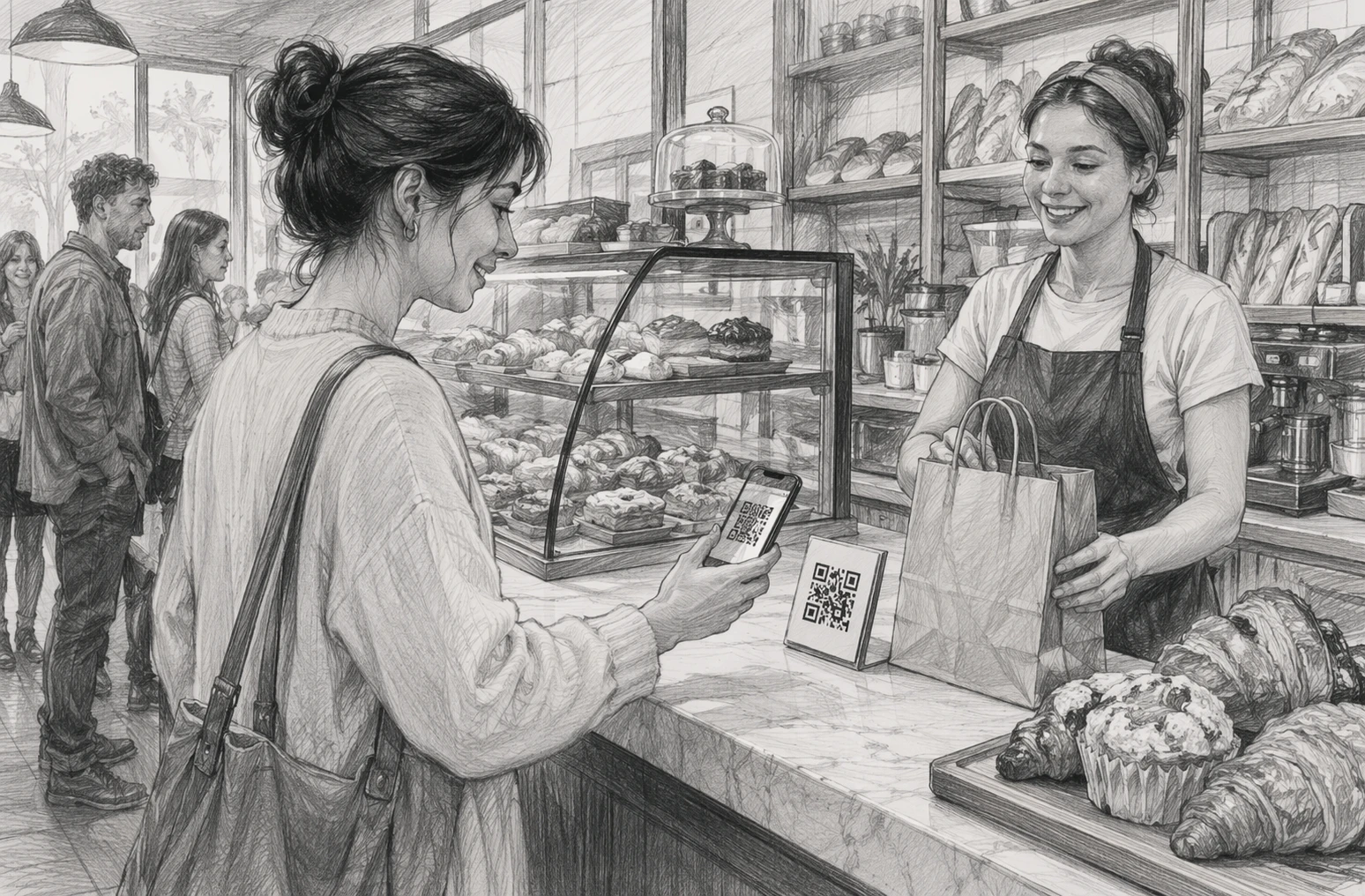
A loyalty program works better when customers can see progress without digging through email. Use a digital card, wallet pass, or simple mobile landing page that shows:
This matters because engagement drops when rewards feel hidden or hard to track. EY found that many shoppers use loyalty programs weekly, and mobile access is now a key habit in program use in the same EY study.
Customers should earn and redeem the same way in every location. Build the program so it works:
A platform like OneCup fits well here because it keeps the experience app-free and easy to use across sites.
If staff have to explain the program every time, the setup is still too hard.
Do not stop at sign-ups. Enrollment rate tells you if the offer is clear. Redemption rate shows if rewards feel worth using. Repeat rate shows if people actually come back. Shopify lists repeat purchase rate and reward redemption rate among the core loyalty metrics to watch in a program Shopify's loyalty analytics guide.
Use a simple scorecard:
| Metric | What it tells you | Good question to ask |
|---|---|---|
| Enrollment | Offer appeal | Are staff inviting every customer? |
| Redemption | Reward value | Is the reward too weak or too hard to reach? |
| Repeat rate | Visit behavior | Did visits increase after joining? |
If enrollment rises but repeat visits stay flat, your program is collecting names, not changing habits.
Look at results by new vs returning, high-frequency vs at-risk, and store or region. Segmentation helps you see which groups drive repeat visits and which ones need a different reward or timing. Shopify also notes that segmentation supports more targeted loyalty actions built on customer behavior.
Start with these cuts:
OneCup can help here if you need app-free tracking across locations. The goal is simple: find where frequency lifts, then copy that setup.
Use small, fast rewards customers can reach in 2 to 4 visits. Add visit streaks, off-peak bonuses, and time-limited offers. Keep rules simple. People return faster when the next reward feels close and clear.
Digital programs remove friction. Customers do not lose cards, staff can apply rewards fast, and you can send timely reminders. This keeps your brand top of mind and gives people a reason to come back sooner.
Include easy sign-up, instant point tracking, clear reward progress, expiry prompts, and flexible reward rules. A good setup should work across locations and at checkout without slowing staff.
Retail often wins with spend-based perks. Cafes and salons usually do better with visit-based rewards. Service brands can use bundles or rebooking offers. Match the reward to how often people naturally buy.
Keep entry simple with QR, SMS, or wallet pass options. Use plain language, local timing, and strong staff training. Test reward rules by market. App-free systems usually get better sign-up rates.
Use local buying habits, seasons, and peak times to shape offers. A lunch deal may work in one city, while family bundles fit another. Review visit data by region before changing rewards.
The strongest examples usually share the same pattern: shorter reward cycles, clear progress, and targeted reminders. Businesses often see better repeat visits after replacing slow points programs with simple visit-based rewards.
OneCup stands out for app-free digital loyalty and simple rollout for local and multi-location brands. Compared with tools like Square Loyalty or FiveStars, it fits businesses that want low-friction repeat visits without extra app barriers.
Higher visit frequency comes from a simple system. Give customers a clear reason to return soon, make progress easy to see, and remove friction at signup, earning, and redemption. The best programs do not just hand out discounts. They reward the next visit, build momentum, and track whether second, third, and fourth visits improve over time.
Research backs that up. Deloitte's 2026 loyalty survey found loyalty programs increase future spending intent, while many customers still forget to redeem. That is why simple design matters. Paytronix's 2026 report also highlights how strongly retention improves after early repeat visits. Focus on frequency first, and stronger revenue usually follows.
If you're ready to put these ideas into practice, OneCup offers app-free digital loyalty cards that make it simple to reward repeat visits and track results. Get started with OneCup and see how simple digital loyalty can be.
OneCup LLC
651 N BROAD ST - SUITE 201
MIDDLETOWN DE 19709
United States
Whatsapp : +18023003737

.svg)

.svg)