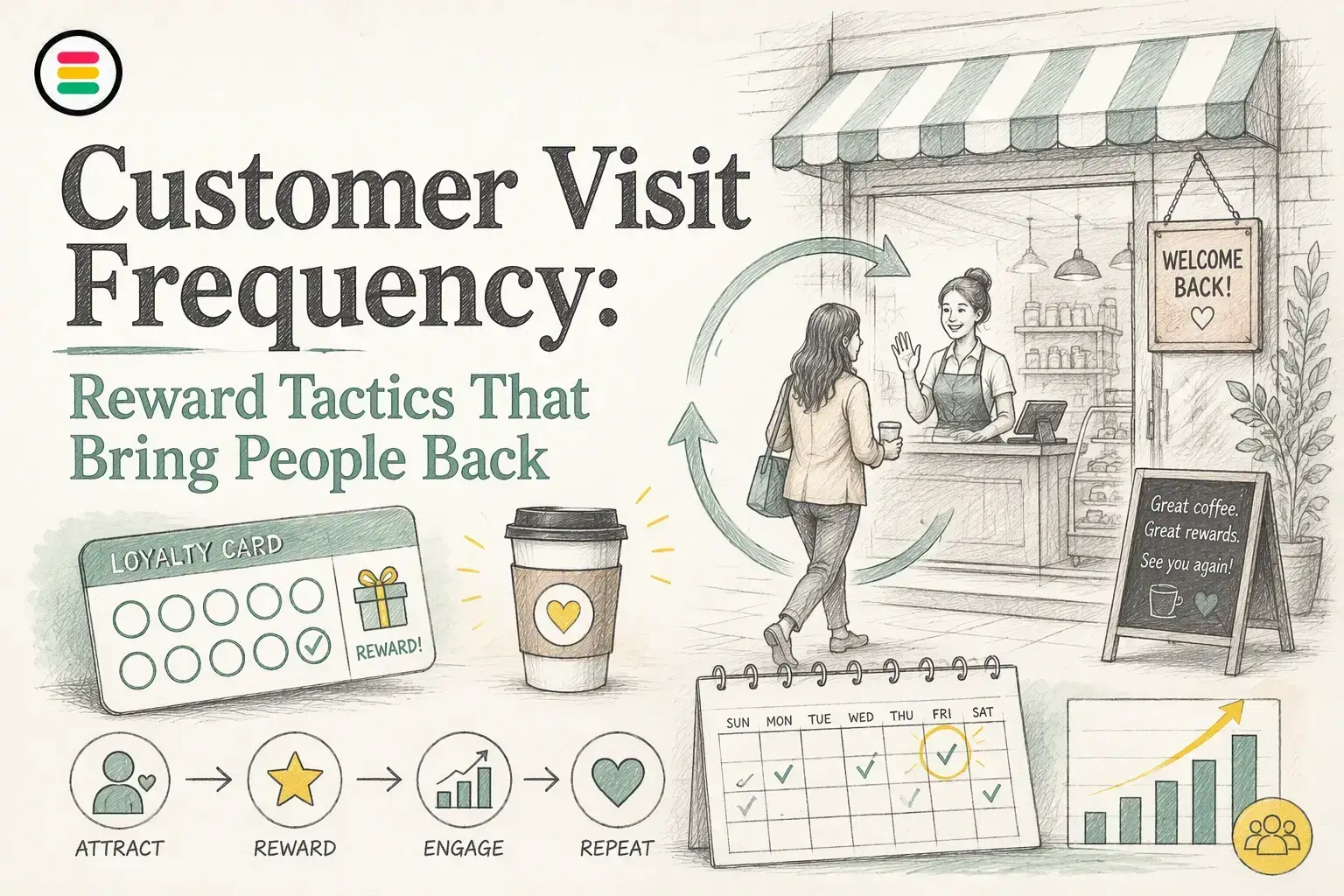
Quick Summary: To increase customer visits, businesses should focus on rewarding early and frequent visits rather than just long-term loyalty. Effective tactics include offering quick wins, visible progress, time-limited offers, and personalized rewards based on customer behavior. Tracking actual visit frequency and adjusting rewards accordingly helps turn casual customers into habitual visitors.
If a coffee shop, salon, or juice bar waits until the tenth visit to reward someone, it misses the visits that shape habit. That is the real gap this guide fixes. You need Customer Retention Strategies that nudge the second, third, and fourth visit. This article shares Visit Frequency Tips, practical Reward Tactics Businesses can use, and proven Customer Retention Strategies drawn from real local operators. Good Customer Retention Strategies bring people back sooner, not someday.
Pick one visit habit first. Do not chase more visits, bigger baskets, and referrals at the same time. Set a simple goal like:
Research shows loyalty programs work best when they lift behavioral loyalty, not just warm feelings, and frequent program use links with stronger loyalty in practice meta-analysis on loyalty programs.
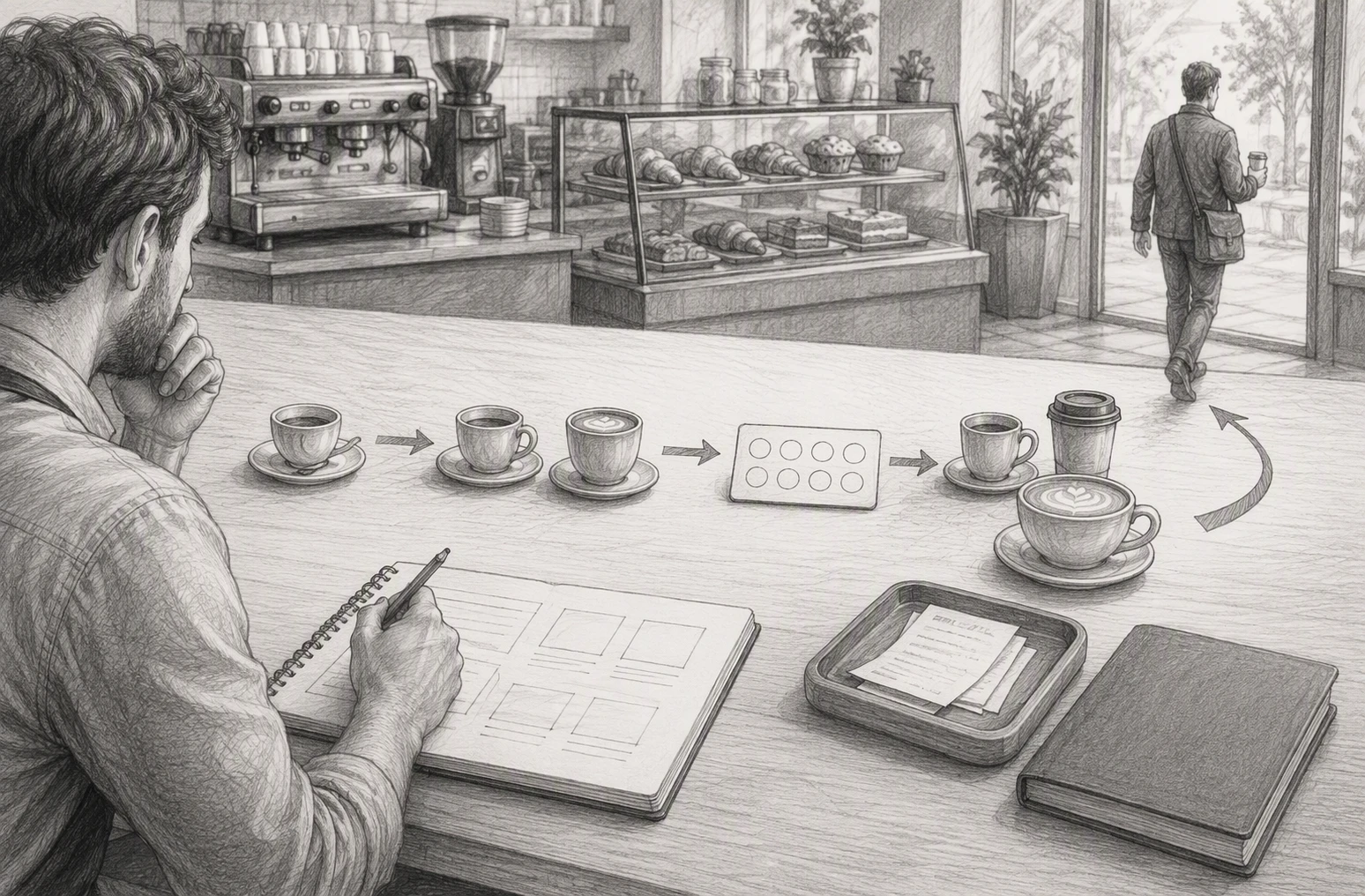
Match the reward to the action you want next:
Fast rewards beat vague future value when you need habit change.
Also Read: Loyalty Reward Cards: How They Work and Why Your Business Needs One
Milestone rewards that make progress visible
Show customers how close they are to the next win. People speed up as they get near a reward, and visible progress can increase effort and visit pace, based on goal-gradient research. Use simple cues:
Time-limited offers that create urgency
Put a short clock on the next step, not the whole program. A message like "Visit again in 7 days for double stamps" works better than vague monthly promos. Research on reward apps found that time urgency changes how people respond to progress framing, so timing and wording should match how close they are to the goal in this retail study.
Surprise rewards that build positive habit
Add small, unexpected perks after a visit. Think bonus stamp, free add-on, or birthday boost. Surprise works best when it feels earned, not random.
Keep the reward easy to redeem on the next visit, or you lose momentum.
Also Read: Restaurant Loyalty Card Design Guide for Repeat Visits
Segment rewards by visit pattern, not age or broad profile. Behavioral segmentation works because it groups people by what they actually do, like purchase timing, visit frequency, and campaign response, as outlined in Braze’s behavioral segmentation guide. Start with simple groups:
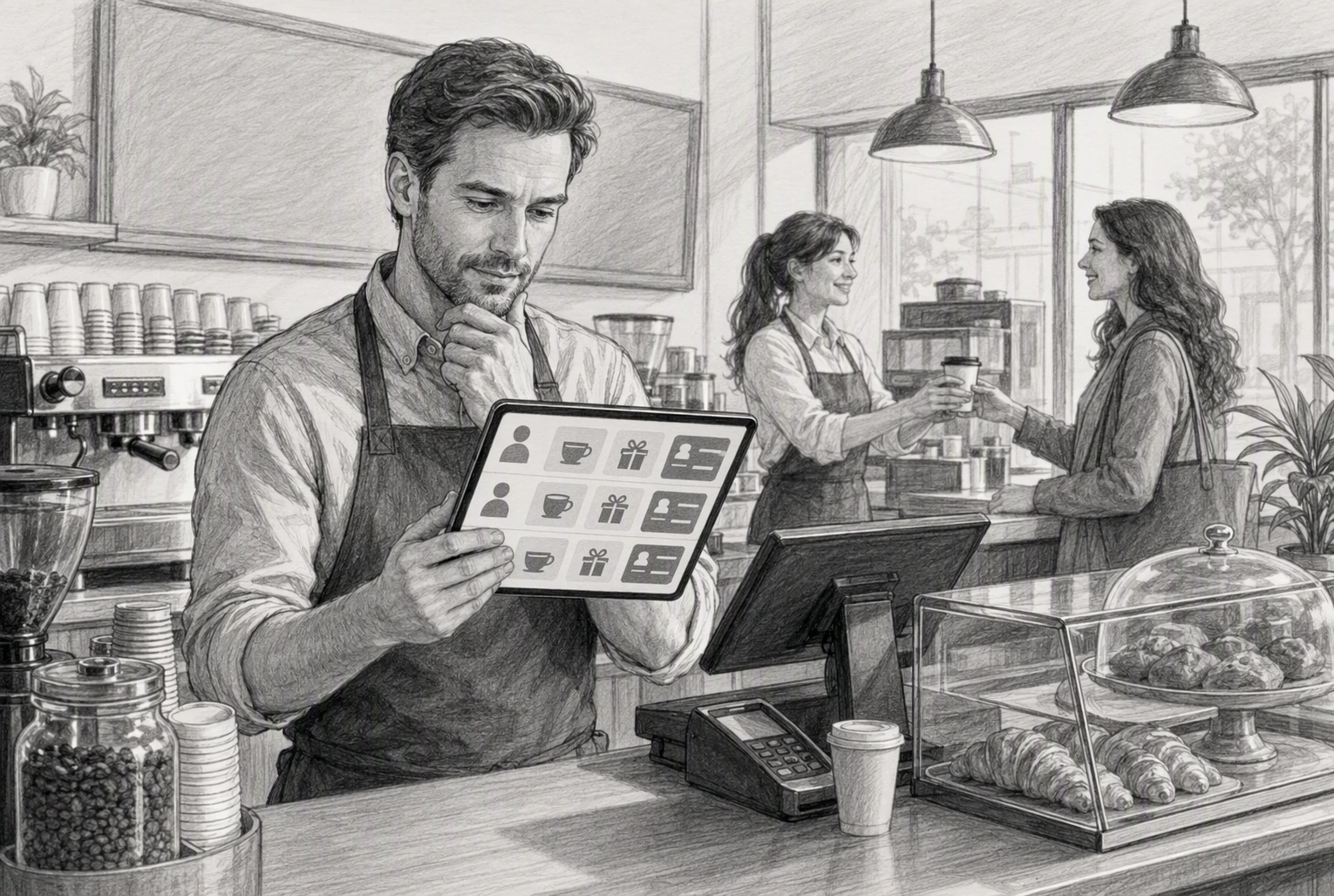
Use the channel each group sees fastest. MoEngage’s segmentation guide notes that channel response is part of useful segmentation. So match the reward to behavior:
If the reward arrives late, it stops feeling personal and starts feeling random.
Also Read: Loyalty Program Cards: The Complete Guide for Businesses
Track behavior, not just redemptions. A reward can feel popular and still fail to lift visits. Watch purchase frequency, repeat customer rate, and time to next visit. Adobe recommends tracking repeat order probability, average number of orders, and time to next order to judge repurchasing behavior Adobe’s repurchase metrics guide.
Use a simple check:
If visits rise only during discount weeks, your reward is buying short-term traffic, not real habit.
Want more repeat visits without adding staff work? Try OneCup to launch app-free rewards fast, track return behavior, and give customers a simple reason to come back sooner.
Use short-gap rewards, bounce-back offers, visit streaks, and slow-day bonuses. Keep rewards easy to earn. Time offers around real behavior, like lunch gaps or 30-day lapses.
They give customers a reason to return sooner. Personalize by visit timing, spend level, and favorite category. Simple, relevant offers beat generic discounts.
Use app-free digital stamp cards, SMS reminders, wallet passes, and basic visit tracking. OneCup fits well if you want low friction, fast signup, and easy repeat-visit nudges.
Visit frequency grows when rewards feel simple, fast, and worth it. Focus on short earn paths, timely prompts, and repeatable habits. That fits 2026 loyalty trends from EY’s market study and Bain’s rewards research.
OneCup LLC
651 N BROAD ST - SUITE 201
MIDDLETOWN DE 19709
United States
Whatsapp : +18023003737

.svg)

.svg)