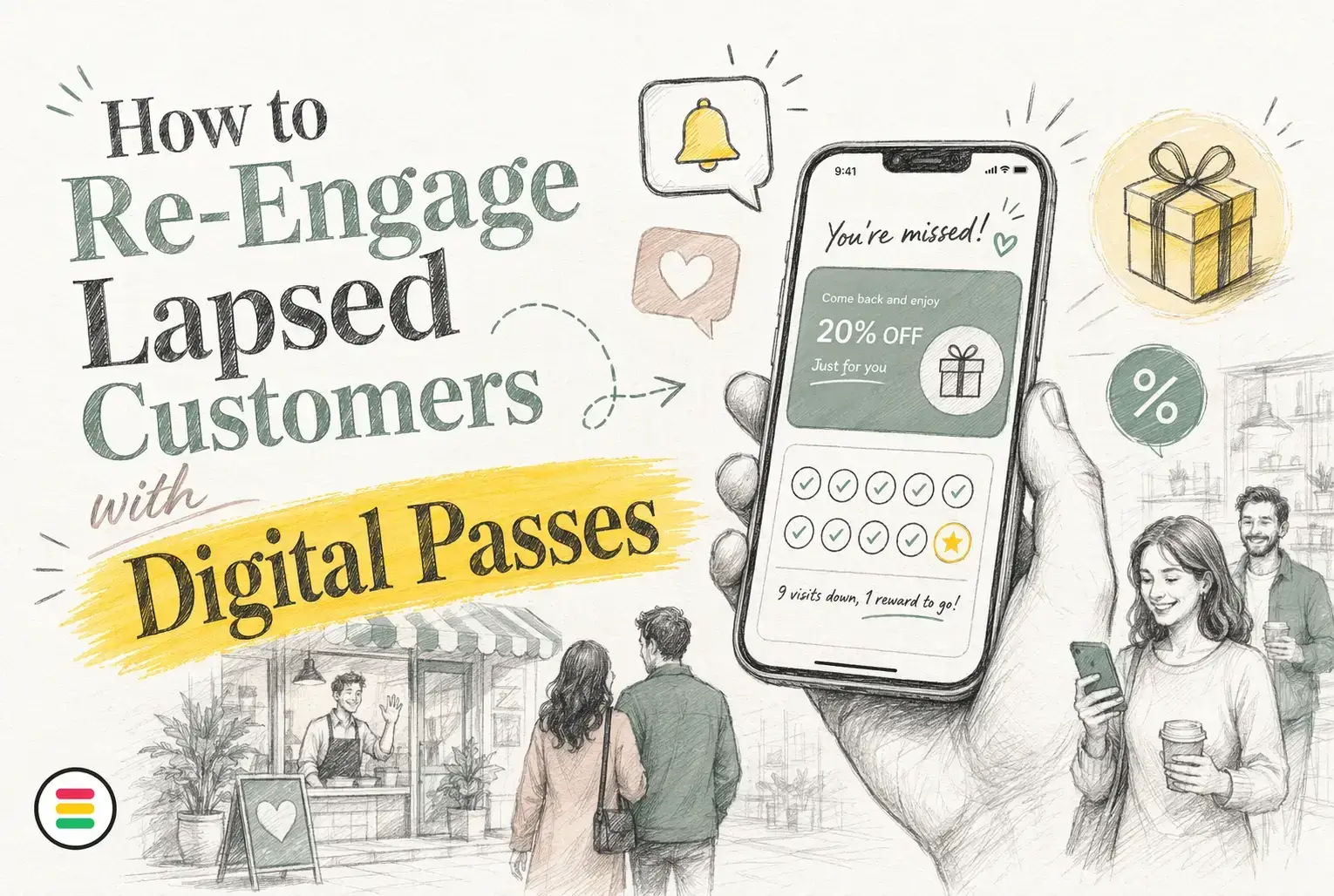
Quick Summary: Re-engaging lapsed customers with digital passes requires segmenting based on inactivity, value, and behavior. Matching tailored offers to their last visit and timing campaigns around buying milestones boosts success. Keeping re-engagement simple with app-free wallet passes and tracking key metrics helps improve results. Overall, personalized, timely digital pass campaigns turn churned customers into repeat buyers and boost loyalty.
A café, salon, or boutique can have hundreds of customers with a Digital Loyalty Pass sitting idle on their phones. The win is not getting more downloads. It is using that Digital Loyalty Pass to give people a timely reason to return. That is where Customer Re-Engagement often breaks down.
Most Business Loyalty Programs push the same message to everyone. That hurts Lapsed Customer Recovery and wastes strong Reward Program Strategies. Good Customer Re-Engagement needs better timing, stronger offers, and clear triggers inside your Digital Rewards Platform.
This guide shows how to use a Digital Loyalty Pass for Lapsed Customer Recovery, smarter Loyalty Card Solutions, and practical Customer Engagement Tips. You will also see App-Free Loyalty tactics, sharper Customer Retention Tips, and a proven Customer Re-Engagement framework built for real multi-location teams.
Do not call every quiet customer "lapsed" after 30 or 60 days. Your window should match how often people normally buy. A coffee shop, salon, and furniture store all need different rules. One practical method is to use your own median repurchase gap, then mark customers as lapsed at about 1.5 to 2 times that interval, as explained in this lapsed customer definition guide.
A bad lapse window causes two problems - you either push offers too early or wait until the customer forgets you.

Start with:
Lapsed Customer Recovery works better when you avoid one giant inactive list. Split people by:
A useful baseline is RFM - recency, frequency, and monetary value. The strongest win-back group is often high-value customers who bought often, then suddenly stopped.
| Segment | What it means | Priority |
|---|---|---|
| High value, recently inactive | Likely recoverable | Highest |
| Low value, recently inactive | Test light reminder | Medium |
| High value, long inactive | Use stronger offer | High |
| Low value, long inactive | Limit spend | Low |
With a digital pass from OneCup, you can tag these groups and trigger smarter Lapsed Customer Recovery campaigns.
Start with what the customer last bought, not a generic win-back deal. A lapsed lunch guest should not get the same pass update as someone who books family dinners on weekends. Match the offer to their old habit so the return feels easy.
Use a simple rule set:
Research on retention says you should target customers based on likely profit, response, and offer cost, not churn risk alone, according to Harvard Business School guidance on customer defections.
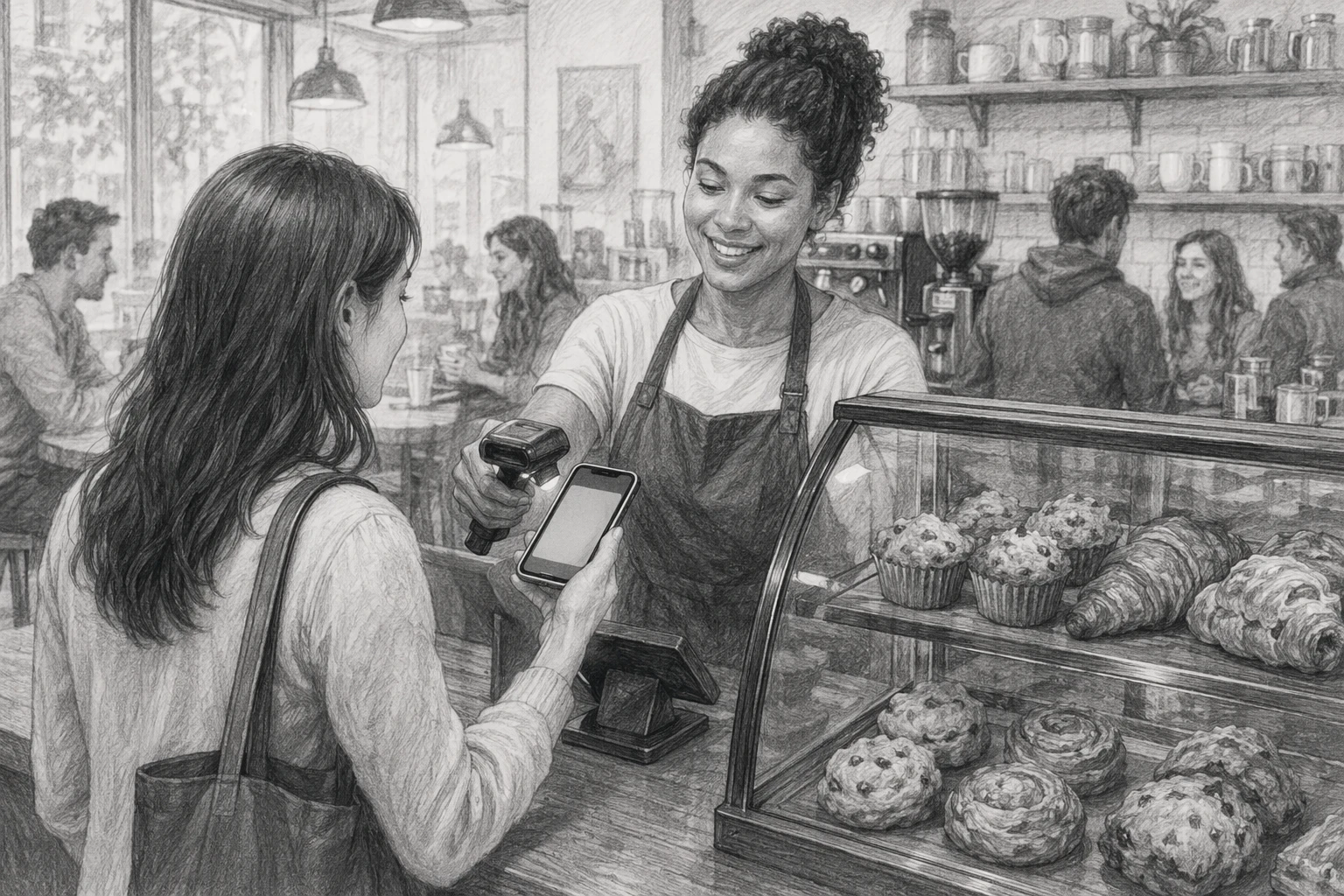
A digital pass is useful here because it keeps the offer visible on the phone. You do not need 30 percent off to get action. Often, a tight expiry, a bonus stamp, or a free add-on protects margin better than a deep cut.
Try these options:
| Offer type | Best use | Margin risk |
|---|---|---|
| Percent discount | Cold customers | High |
| Free add-on | Regular buyers | Low |
| Bonus points/stamps | Loyalty pass users | Low |
| Time-limited bundle | Price-aware groups | Medium |
Deep discounts can train customers to wait for the next deal. Harvard Business Review notes that many promotions create only short-term lifts and sales often return to normal after the offer ends.
If a customer has to download an app, reset a password, and fill out a long form, you will lose them. Keep the return path short and clear.
Use a wallet pass flow that lets people:
A simple rejoin path works best:
Friction kills recovery. Every extra step cuts response.
A platform like OneCup fits well here because the pass becomes the account, not just a reminder.
Once the pass is saved, you have a live re-engagement channel on the customer's phone. That matters because you can update the pass instead of asking them to open an app.
For Google Wallet, businesses can send pass messages that trigger notifications, but Google limits notification-triggering messages to 3 per pass in 24 hours according to Google Wallet loyalty card notification rules. Google also expanded more granular wallet notifications and nearby pass alerts in 2025, as noted on the Google Developers Blog.
Use that channel for:
| Pass use | Best message |
|---|---|
| 30 days inactive | Come back this week for a small reward |
| Points close to reward | You are almost there |
| Near a location | Your pass is ready to use |
Use milestone-based triggers
Do not use one fixed rule for every customer. Set win-back triggers around buying milestones tied to your real repeat cycle. A practical rule is to trigger at about 1.5x your median repurchase gap, as shown in this win-back timing guide. If most regulars return in 40 days, your first pass reminder might go out near day 60.
Use a simple timing table to keep it clean:
| Customer pattern | Trigger | Message angle |
|---|---|---|
| Buys often | Soon after missed cycle | Reminder and new value |
| Buys sometimes | Mid-gap | Best sellers or earned reward |
| High-value but quiet | Slightly later | Personal offer or bonus |
Trigger too early and you waste discounts. Trigger too late and they forget you.
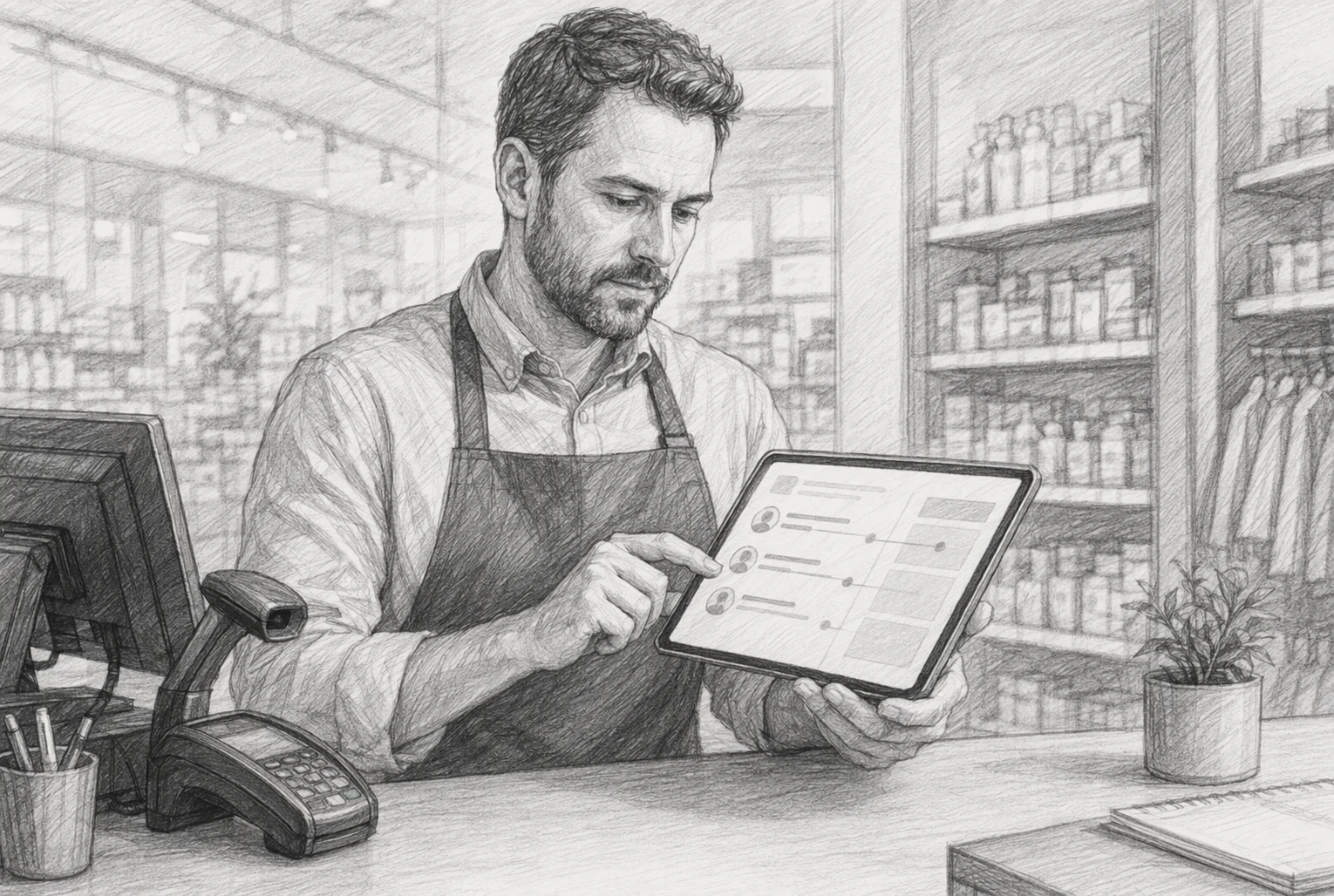
Limit frequency and vary the message
A win-back flow should feel helpful, not desperate. Send 3 to 4 touches, then pause. Many retention teams also suppress non-responders after 3 to 4 failed attempts or 90 to 180 days of silence, according to this retention playbook.
Keep each touch different:
Digital passes work well here because the updated reward sits in the customer's wallet, ready when they are.
Localize offers for each venue
A lapsed customer near one store is not the same as a lapsed customer near another. Match each pass update to the local venue, its traffic pattern, and what people buy there. McKinsey's geospatial retail research shows store performance changes by micromarket, so broad offers waste budget.
Keep the reward local and easy to redeem. "Come back this week at Oak Street" beats a generic chain-wide discount.
Tailor recovery tactics by industry
Category matters just as much as location. A cafe lapse may need a fast bounce-back offer. A salon lapse may need a service reminder. A retail lapse may respond better to a category-led bundle. McKinsey's personalization research also shows customers expect relevant interactions.
If you use OneCup, build segments by visit location, favorite category, and past spend first. Those three signals usually give you enough to start.
Do not judge a win by opens alone. Track the numbers tied to return visits and spend. Start with repeat purchase rate, time to second visit, offer redemption rate, retention rate, and customer lifetime value. Shopify notes that repeat purchase rate, retention, redemption, and CLV are core loyalty metrics worth watching in one view customer loyalty analytics.
| Metric | What it tells you | Good use in a pass campaign |
|---|---|---|
| Repeat purchase rate | Who came back | Compare exposed vs. unexposed customers |
| Redemption rate | Who used the offer | Spot weak rewards or bad timing |
| Time to second visit | How fast they returned | Measure urgency |
| CLV | Long-term value | See if wins last beyond one visit |
Measure by customer segment, location, and offer type so you know what actually changed behavior.
Run small tests, then keep what works. Try one change at a time:
Use a simple holdout group when possible. If the pass group returns more often than the no-pass group, you have a real lift. Shopify recommends using CLV, purchase frequency, and retention together so you do not overrate short-term redemptions customer lifetime value.
Segment by last visit, spend, and reward status. Then send time-bound offers, point reminders, and nearby location prompts. Update the pass lock screen often so the offer stays visible. Test win-back timing at 30, 60, and 90 days.
They keep rewards easy to see and easy to use. Customers do not need a separate app login. That cuts friction, lifts repeat visits, and makes points, stamps, and offers feel more immediate.
Look for pass updates, push alerts, customer segments, expiry rules, multi-location support, and clear reporting. OneCup stands out when you need simple app-free setup and easy campaign control across stores.
Often yes, because they are harder to lose and easier to update. Paper cards cannot send reminders. Digital passes can show balances, expiring rewards, and targeted offers at the right time.
Start with one offer for one lapsed segment. Example: no visit in 60 days gets a bounce-back reward. Keep the message short, set an expiry date, and track return rate, redemption, and repeat spend.
They work across many phone users, reduce print costs, and support fast offer changes by market or store. That helps brands run local campaigns while keeping one loyalty system across regions.
They help local teams drive repeat traffic without adding app friction. Staff can promote sign-up at checkout, and owners can push store-specific rewards that bring back nearby customers faster.
Strong examples usually share the same pattern: segment inactive users, send a clear reward, add urgency, and measure second-visit behavior. Retail, food, and service brands often see the best results from simple offers.
Digital passes work best when you stop treating every lost customer the same. Segment by lapse stage, give a clear reason to return, and use wallet updates to keep the offer visible without adding app friction. Track reopen rate, redemption rate, repeat visits, and recovered revenue so you know what actually brings people back. That focus matters because retention is usually cheaper than acquisition. Recent reporting notes that winning a new customer can cost far more than keeping one, and even small retention gains can lift profit according to Inc.. The takeaway is simple: smart pass campaigns turn churn risk into measurable repeat business.
If you want an easy way to win back customers who have gone quiet, OneCup offers app-free digital loyalty passes built for simple, effective re-engagement. Get started with OneCup and see how simple digital loyalty can be.
OneCup LLC
651 N BROAD ST - SUITE 201
MIDDLETOWN DE 19709
United States
Whatsapp : +18023003737

.svg)

.svg)