
Quick Summary: Loyalty programs for small businesses should be simple, quick to join, and tailored to customer habits. They work best when rewards are easy to understand and redeem, especially for frequent, low-cost purchases like coffee or salons. Costs typically range from $40 to $150 a month, with app-free wallet options like OneCup offering an affordable, low-friction solution. The key is to focus on ease of management and clear value to keep customers coming back.
A neighborhood coffee shop, salon, or boutique can start a loyalty program for small business in 2026 without paper punch cards, a custom app, or a bulky POS contract. That shift matters because most owners still want repeat visits, but they face too many tools, unclear costs, and clunky setup.
This guide fixes that. You will see how loyalty programs for small businesses work, which model fits your business, what a loyalty app for small business really costs, and when an app-free option makes more sense. We also compare what makes the best loyalty program for small business practical, not just flashy.
We focus on real-world fit for retail, food, wellness, and service brands. If you need a loyalty rewards program for small business, a small business rewards program, or a simple loyalty rewards program for small business that staff can run fast, this guide is built for you.
Small shops do not usually have an awareness problem. They have a repeat visit problem. New customers try you once, then forget, switch, or chase the next deal. That gets expensive fast. Deloitte found 72% of consumers say loyalty programs make them more likely to spend with a preferred brand, and 56% spend more because of the program in its 2025 loyalty survey. That is why a loyalty program for small business is not just a nice extra. It gives people a reason to come back before they drift away.
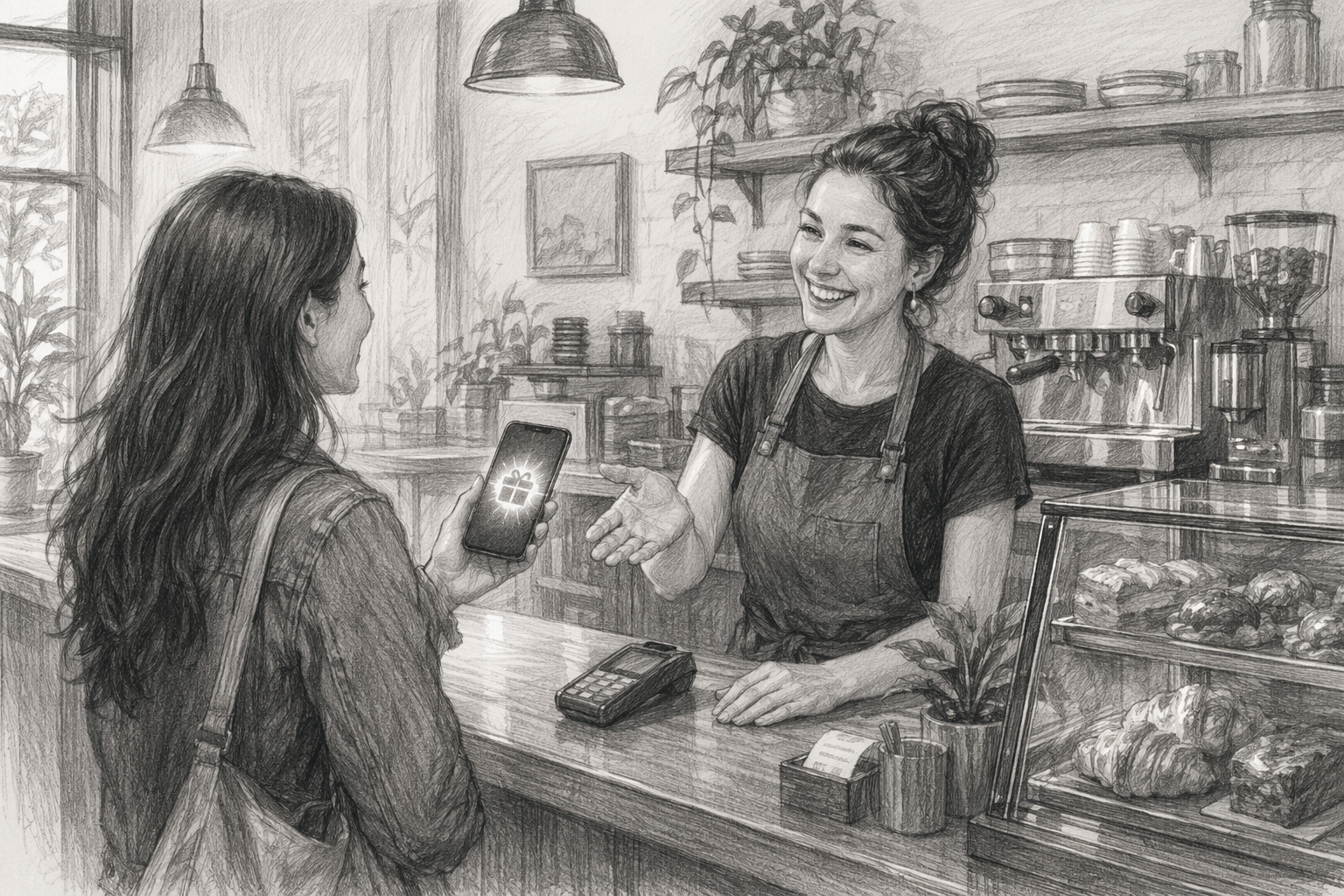
A good loyalty rewards program for small business works best where people buy often and value convenience.
Inc reported that regular customers generated six times the annual revenue of one-time visitors in Square data shared in 2026, which shows why loyalty programs for small businesses matter most in repeat-purchase categories like food, beauty, and local retail.
Also Read: Loyalty Program Cards: The Complete Guide for Businesses
Loyalty programs for small businesses usually fall into three simple models. Pick the one that matches how often people buy, how much they spend, and how easy you need the setup to be.
This is the easiest format to launch. Customers earn one stamp per visit or per qualifying order, then get a free item or perk.
It works best when spend is fairly similar from one visit to the next. For many loyalty programs for small businesses, this is the fastest low-friction option.
Keep the first reward close. If it takes too long, people stop caring.
This model rewards how much a customer spends, not just how often they visit. That makes it a better fit for stores, wellness businesses, and services with mixed ticket sizes.
Research covered by CX Dive says 60% of shoppers are more likely to visit stores where they have points or rewards to redeem.
These programs add levels, paid perks, or a mix of stamps and points. They suit businesses with regulars, VIPs, or multiple locations.
Antavo’s 2026 report shows consumers still want clear value, but many quit when rewards take too long. That is why loyalty programs for small businesses should stay simple first, then add complexity only if needed.
Choose your program around how people already buy. A coffee shop, car wash, or lunch spot needs a simple visit-based reward. A salon, medspa, or boutique may do better with spend-based perks or tiers. According to Paytronix's 2026 Loyalty Report, getting customers to the fourth visit is a major retention turning point. That means your program should make the next visit feel easy, fast, and worth it.
Pick a setup your team can run on busy days. Ask:
If the answer is no, the program is too complex.
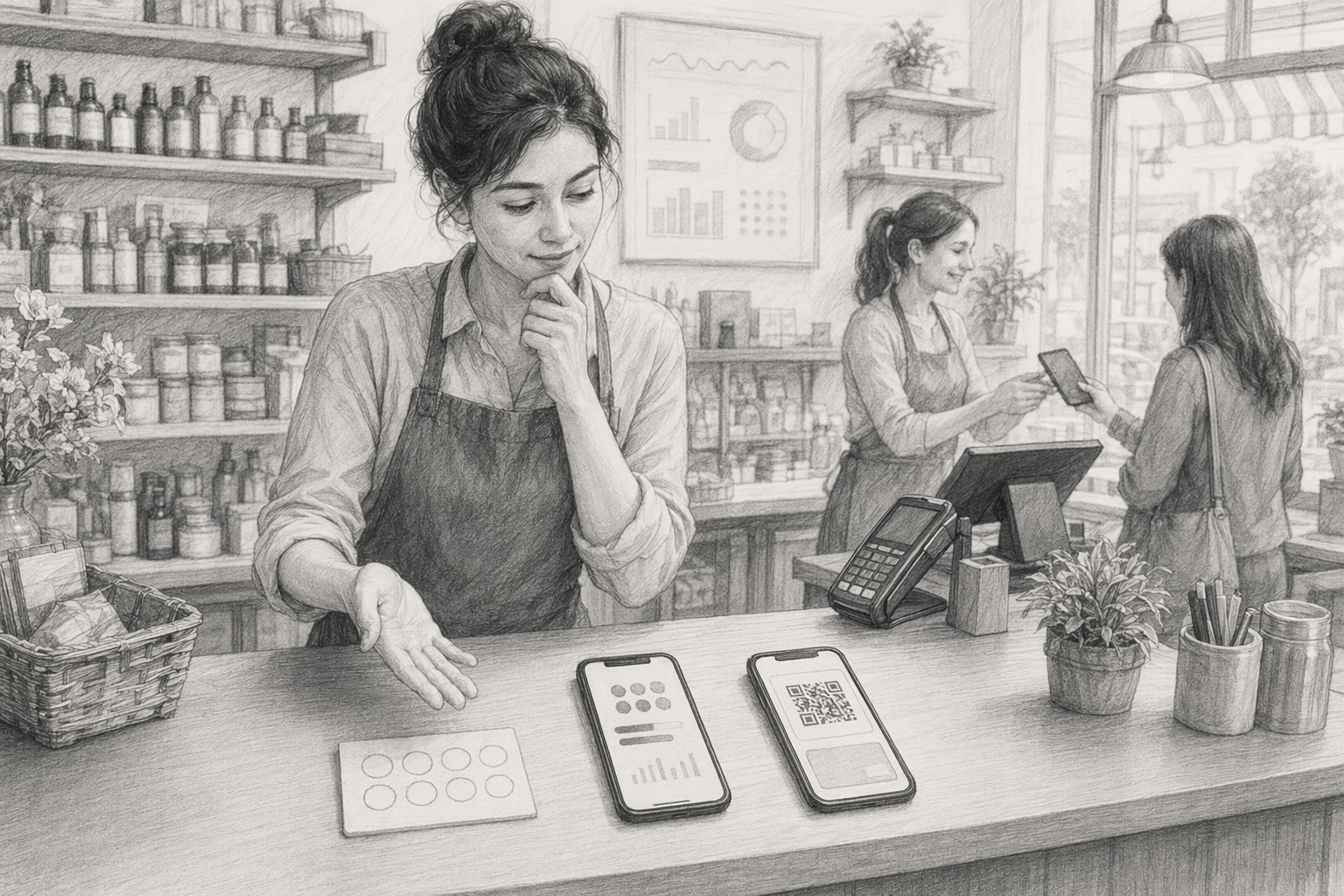
Choose based on limits, not wish lists. Small teams usually need:
A lot of owners buy for features they never use. The better move is to buy for daily reality. Open Loyalty's 2026 report notes that ease of management is the top valued feature. That matches what small operators need most.
If your staff has to remember extra steps, adoption drops fast.
For many local businesses, app-free wallet programs are the easiest win. They cut friction, work well for repeat visits, and avoid the hard sell of asking customers to install another app. That is where a platform like OneCup fits well: affordable, wallet-based, and built for simple retention instead of loyalty theater.
Start with one clear goal. Pick the problem you want to fix first:
Then match the reward to that goal. Fast, simple rewards work best. Fast Company reports that 90% of consumers expect rewards to build quickly, and 87% want programs that are easy to use.
Avoid hard math. If customers need a calculator, they will ignore it.
Map the full path from signup to reward. Keep it short:
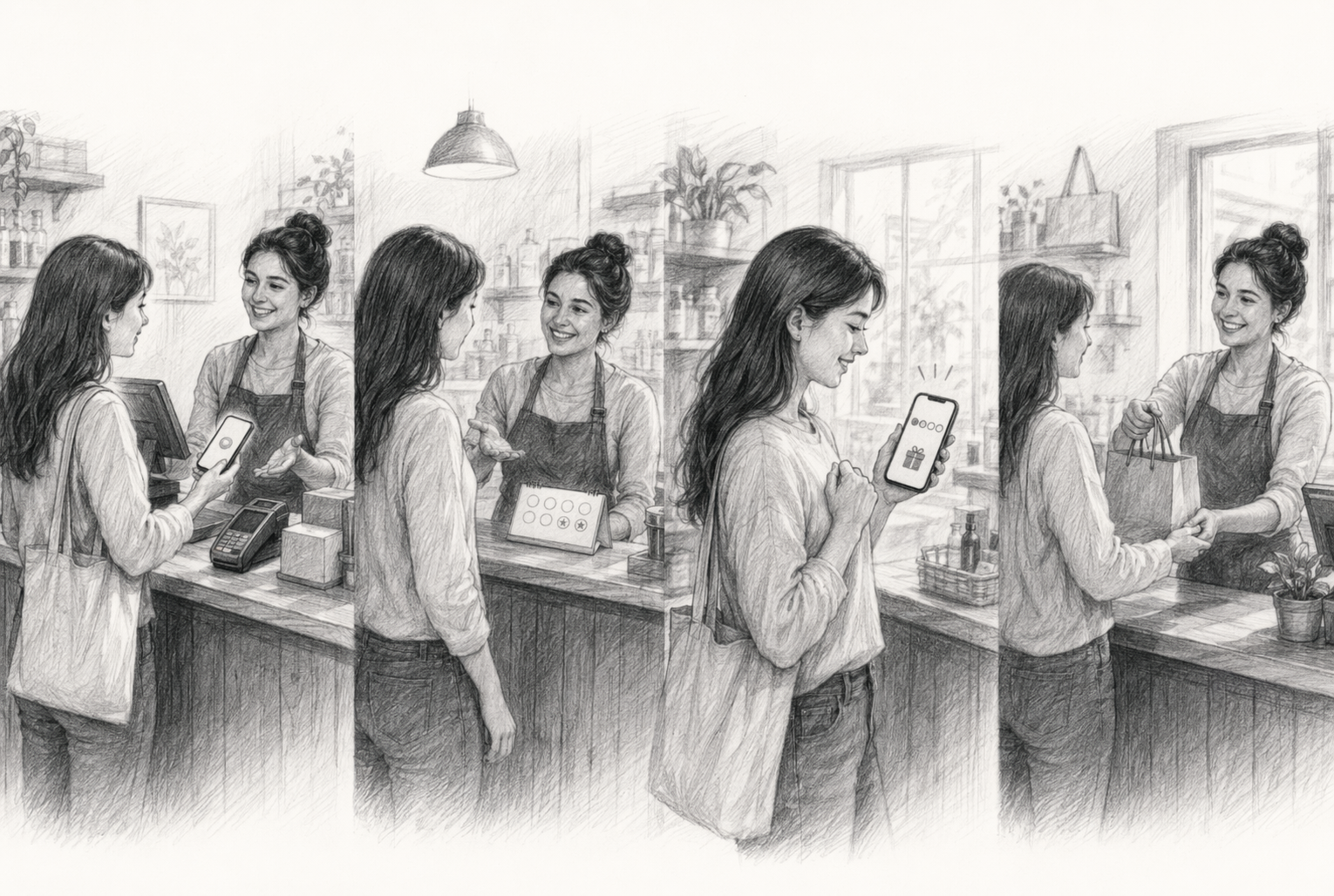
Use one main entry point, like a QR code, NFC tap, or wallet pass. For most small businesses, an app-free option like OneCup is easier to launch because customers can join through Apple Wallet or Google Wallet without downloading anything.
Train staff before launch day. Give them a short script and one offer to push.
Use this checklist:
Track a few numbers, not twenty. Antavo’s 2026 report says ease of management is the top feature brands value.
| Metric | Why it matters | Good early sign |
|---|---|---|
| Signups | Shows offer appeal | Steady weekly growth |
| Repeat visits | Shows behavior change | Members return more often |
| Redemptions | Shows reward value | Rewards get used |
Most small businesses pay $40 to $150 per month per location for a simple loyalty setup. More advanced systems can run $150 to $400 or more, especially with POS add-ons, multi-location tools, or deep automations. Current market guides show common entry points around $45 to $99 per month, with higher tiers jumping fast for added features and order volume pricing comparisons in 2026.
| Model | Typical fit | Watch for |
|---|---|---|
| Monthly plan | Single store | Feature caps |
| Per location | Multi-site | Costs double fast |
| Usage-based | Growing brands | Overage fees |
| POS add-on | POS-first operators | Vendor lock-in |
The sticker price is rarely the full price. Setup fees, staff training, reward discounts, SMS fees, hardware, and payment processing can all raise the bill. Payment fees alone often average 2% to 3% per transaction based on 2026 processing benchmarks.
Ask every vendor what happens when you add locations, exceed plan limits, or want your data exported later.
A cheaper program is not better if nobody uses it. Judge cost against:
OneCup fits this logic well for small operators because it keeps costs simple with an app-free setup, wallet-based access, and plans starting from $40 per month. That lowers friction without adding another app or heavy setup bill.
Making the program too complex
Customers quit when rewards feel slow, confusing, or full of rules. One 2026 roundup says 42% have abandoned a loyalty program because it was too complex according to ZipDo. Keep the earn-and-redeem path short, clear, and easy to explain in one sentence.
Ignoring promotion and measurement
A loyalty program fails if staff forget to mention it and you never track sign-ups, repeat visits, or redemptions. Antavo found 91% of program owners say they face challenges analyzing loyalty data in its 2026 report.
Promote it weekly and review results monthly.
Ready to keep more customers without adding staff work? Try OneCup for an affordable, app-free loyalty program that works with Apple and Google Wallet, supports unlimited customers, and starts at $40 per month.
Pick one simple reward, set a clear earning rule, train staff, and track repeat visits. Start with a digital pass if you want low friction. OneCup works well for small teams because it is app-free and easy to roll out.
The best program fits how people buy from you. Coffee shops often win with visit-based rewards. Retail stores may do better with points or spend-based offers. Simple beats fancy. If you want wallet-based loyalty without an app, OneCup is a strong fit.
Costs vary by setup, features, and location count. Basic plans may start low, but fees rise with users or add-ons. In 2026, app-free wallet options like OneCup start from about $40 per month, which helps keep costs predictable.
Yes, if they are easy for staff and customers to use. Digital programs cut lost paper cards, improve repeat visits, and give cleaner customer data. The best results come from simple rewards, clear promotion, and a setup people can join fast.
A good loyalty program should be simple, easy to join, and worth using. That is the big takeaway. Small businesses do best when they match the program to customer behavior, keep rewards clear, and avoid adding friction with apps, complex points rules, or slow setup.
The 2026 data backs that up. Consumers want convenience and fast value, and many stop using programs when rewards feel too hard to reach, according to the Antavo 2026 loyalty report. That is why app-free, wallet-based options like OneCup stand out for local operators who need affordable retention without extra tech stress.
OneCup LLC
651 N BROAD ST - SUITE 201
MIDDLETOWN DE 19709
United States
Whatsapp : +18023003737

.svg)

.svg)
