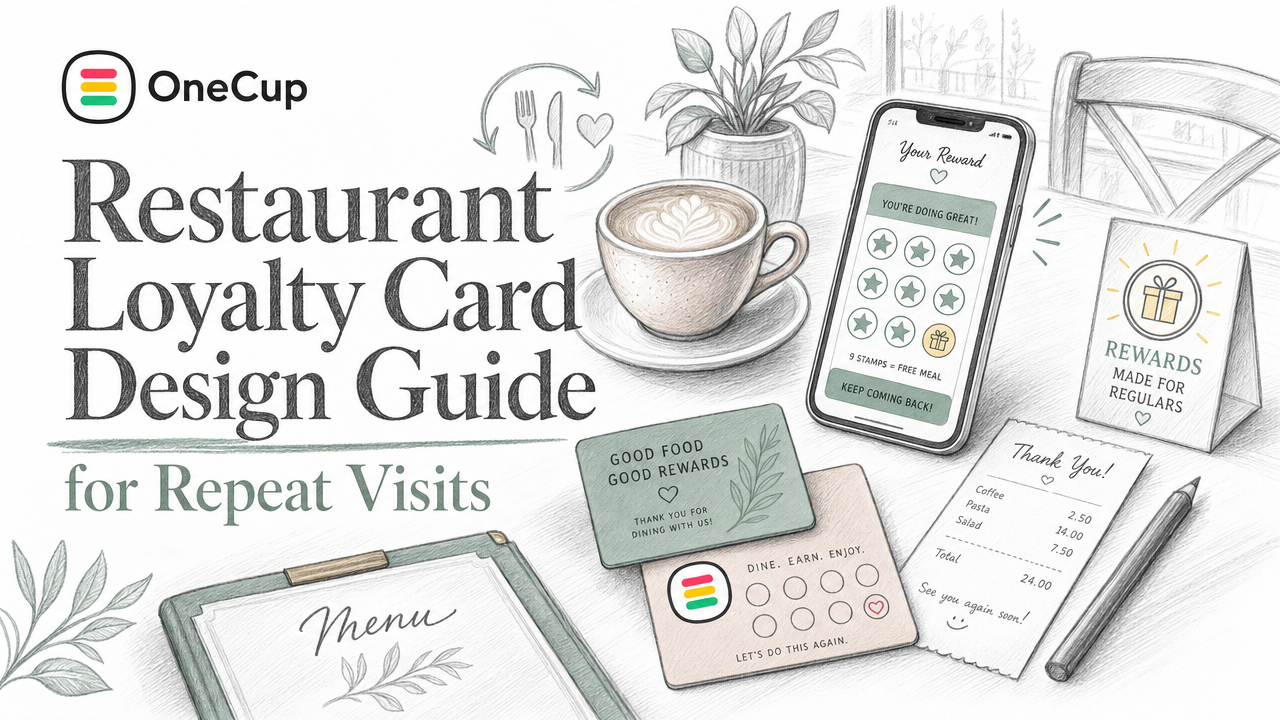
Quick Summary: A good restaurant loyalty card should be simple to sign up for, with clear rewards and visible progress. Digital formats are preferred for ease of use, especially for high-frequency venues, but physical options work for less frequent visits. The design must match the brand, be easy to scan, and quickly communicate the reward and next steps. Promoting the program at key touchpoints and tracking relevant metrics help sustain repeat visits over time.
A polished card means little if guests need 12 taps to join. Simple usually wins. This guide shows how Loyalty Card Design should support fast sign-up, clear rewards, and easy repeat use. Most Restaurant Loyalty Program ideas fail because the format, brand look, and reward rules do not work together. I’ll break down practical Customer Retention Strategies, strong Loyalty Card Design choices, and the Loyalty Card Design basics that help restaurants earn more repeat visits.
Physical vs. Digital: What Changes for Guests
Start with guest effort. Physical cards feel simple at the counter, but people forget them. Digital cards are easier to keep and update, especially when they live in a phone wallet instead of a separate app. The National Restaurant Association says 60% of current users prefer smartphone apps, while 18% prefer a card and 22% have no preference according to its 2024 report.
Match the Format to Visit Frequency
Pick the format based on how often guests come in.
App-free digital passes can reduce friction. Nation's Restaurant News reported growing interest in app-less loyalty because it cuts login and download pain for restaurant guests.
Customers should see how close they are to the reward in one glance. Clear progress works because people speed up as they get nearer to a goal, shown in café loyalty research on the goal-gradient effect. Use:
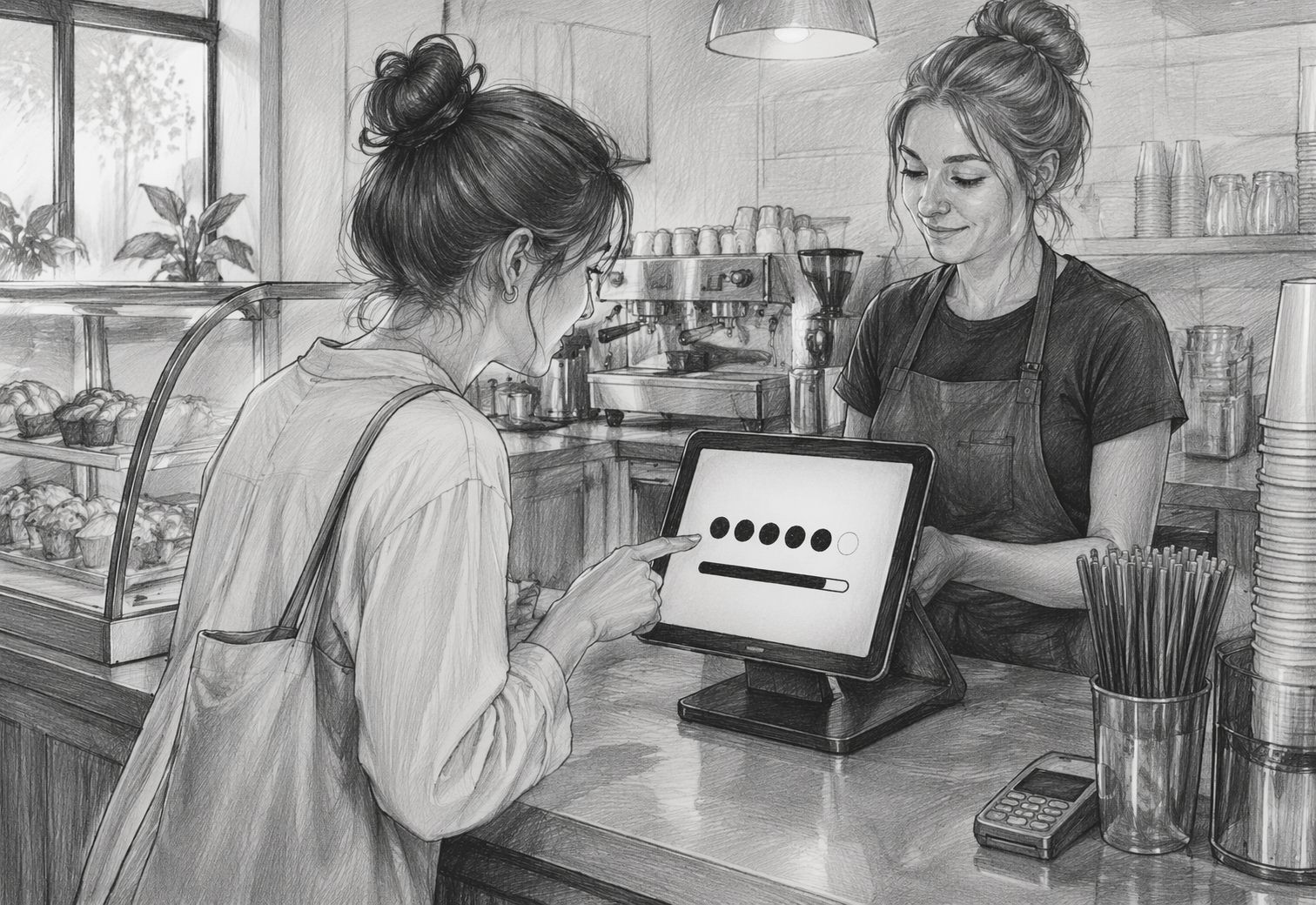
If a guest needs staff to explain the card twice, the design is too hard.
The reward should fit in one short sentence. Skip layered rules, rotating dates, and tiny print. Recent restaurant research found progress framing and visual progress displays shape motivation in loyalty programs when customers track the path clearly. Good examples:
Your loyalty card should look like it came from the same place as your menu, cups, signs, and Instagram. Keep the same colors, type, logo style, and photo tone. KFC’s 2026 brand update shows how strong assets work better when each one has a clear role across packaging, digital, and in-store touchpoints, according to Yum Brands.
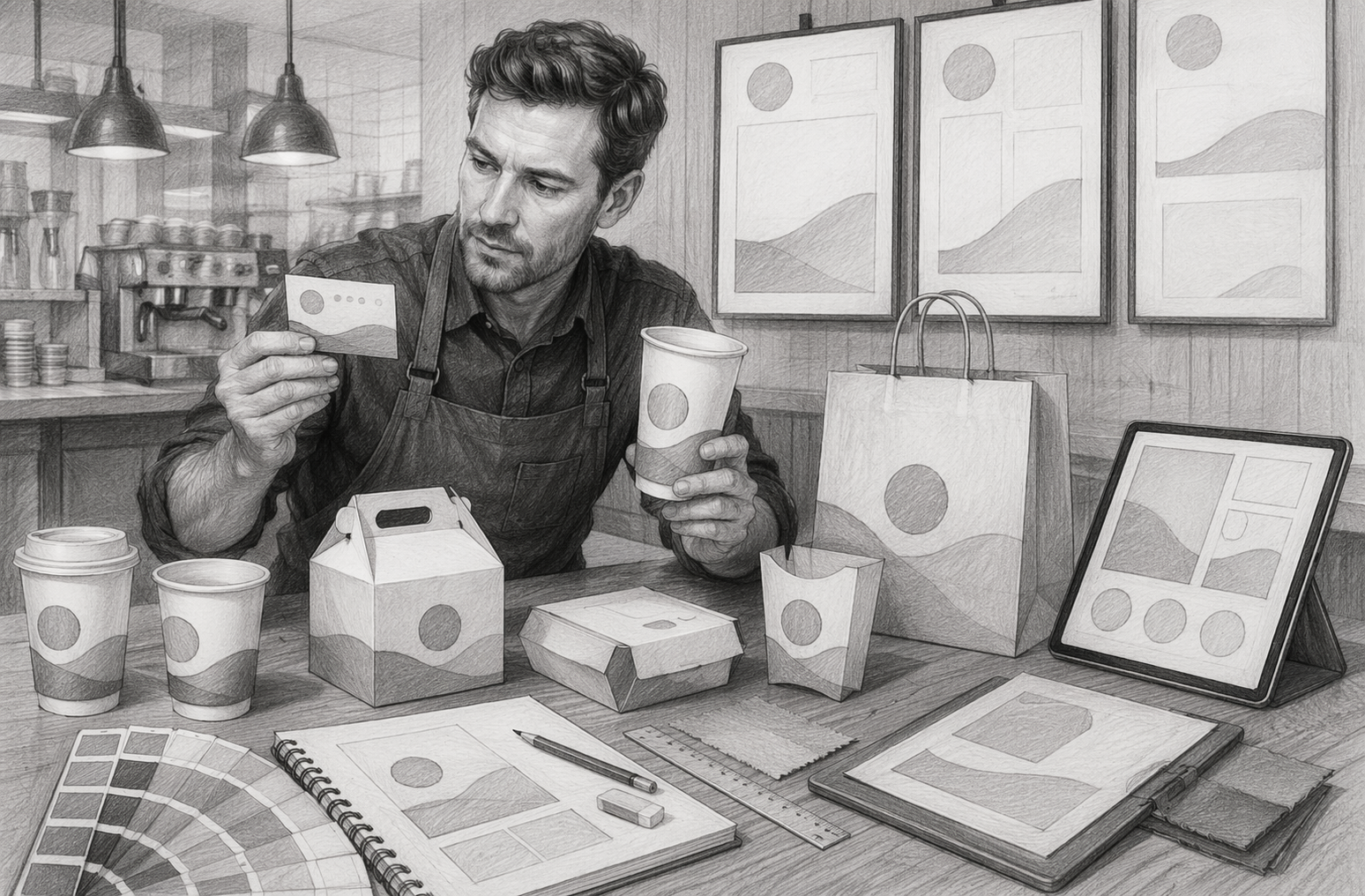
If the card feels generic, guests treat it like a generic promo.
Guests should get it in two seconds. Show the reward, progress, and next step fast.
A 2026 survey found 69% say professional branding matters in close restaurant choices, so clean design helps trust before the reward even kicks in, per VistaPrint’s survey.
Launch simply, then push the card at the counter, on menus, receipts, table tents, order-ready shelves, and post-visit texts. Train staff to use one short line, not a script. The National Restaurant Association says 78% of customers are more likely to visit a restaurant where they can earn points according to its industry report.
Keep signup friction low. If it takes more than a few seconds, many guests will skip it.
Track signup rate, second visit rate, reward redemption, 30 to 90 day repeat visits, and average spend by member. Skip vanity metrics like raw member count. Circana found loyalty traffic doubled from 2019 to 2024 and now makes up 39% of restaurant visits in its 2025 research. Review results monthly and test one change at a time.
Turn your loyalty card idea into a simple, app-free repeat-visit program with OneCup. Build branded rewards fast, launch across locations, and start bringing guests back more often.
Keep it simple: clear branding, one easy reward, visible progress, and a strong call to action. Make staff explain it in one sentence. Use mobile-friendly access if possible.
Promote at checkout, on receipts, table tents, packaging, and SMS. Train staff to invite every guest. Keep the sign-up flow short and app-free for better adoption across markets.
Brands now favor digital wallet passes, instant rewards, visit-based progress, location-aware offers, and cleaner visual design. Operators also want flexible platforms like OneCup that scale across stores without adding friction.
Strong loyalty card design stays simple, branded, and easy to redeem. That matters because Deloitte found restaurant members use programs often, and Paytronix reports the first 90 days shape repeat behavior.
OneCup LLC
651 N BROAD ST - SUITE 201
MIDDLETOWN DE 19709
United States
Whatsapp : +18023003737

.svg)

.svg)