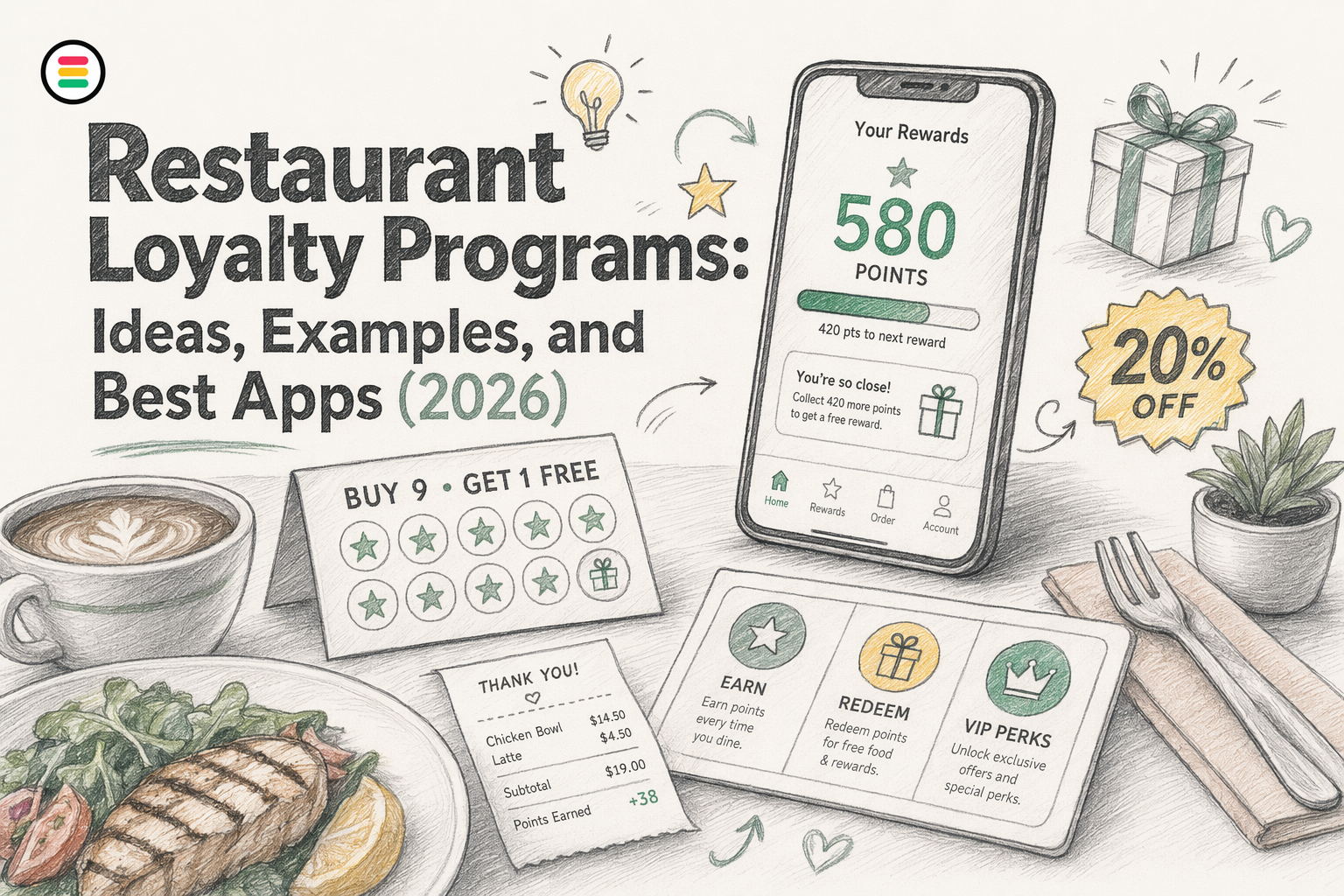
Quick Summary: Simple, easy-to-use loyalty programs that reward early visits and minimize friction work best for restaurants. Points, punch cards, or wallet passes can all succeed if they match your business model and customer habits. Recent industry data shows that quick, behavior-based rewards outperform complex or app-heavy systems, especially in the first 90 days. For smaller operators, wallet-native options like OneCup offer fast, low-friction ways to build repeat business.
A cafe with a buy-9-get-1-free card, a franchise group sharing points across stores, and a fast-casual brand using a wallet pass all chase the same goal: turn one visit into the next. That sounds simple. It is not. Most restaurant loyalty programs fail because they are hard to join, hard to use, or too weak to change habits.
This guide breaks down what makes a strong restaurant loyalty program, which restaurant loyalty programs fit different business types, and when a restaurant loyalty app helps or hurts. You will see ideas, real examples, and the best setup options, from simple punch offers to a full restaurant rewards program. We also cover customer loyalty programs for restaurants, including app-free wallet passes and how to choose the right restaurant loyalty program for growth.
A restaurant loyalty program gives guests a clear reason to come back. They buy, earn progress, get a reward, and repeat. The reward can be simple:
The best programs feel easy in under 10 seconds. Guests should know:
If the system feels slow or confusing, people ignore it. That is why simple models often beat clever ones. App-free options like OneCup also reduce friction because guests can join and use rewards without downloading another app.
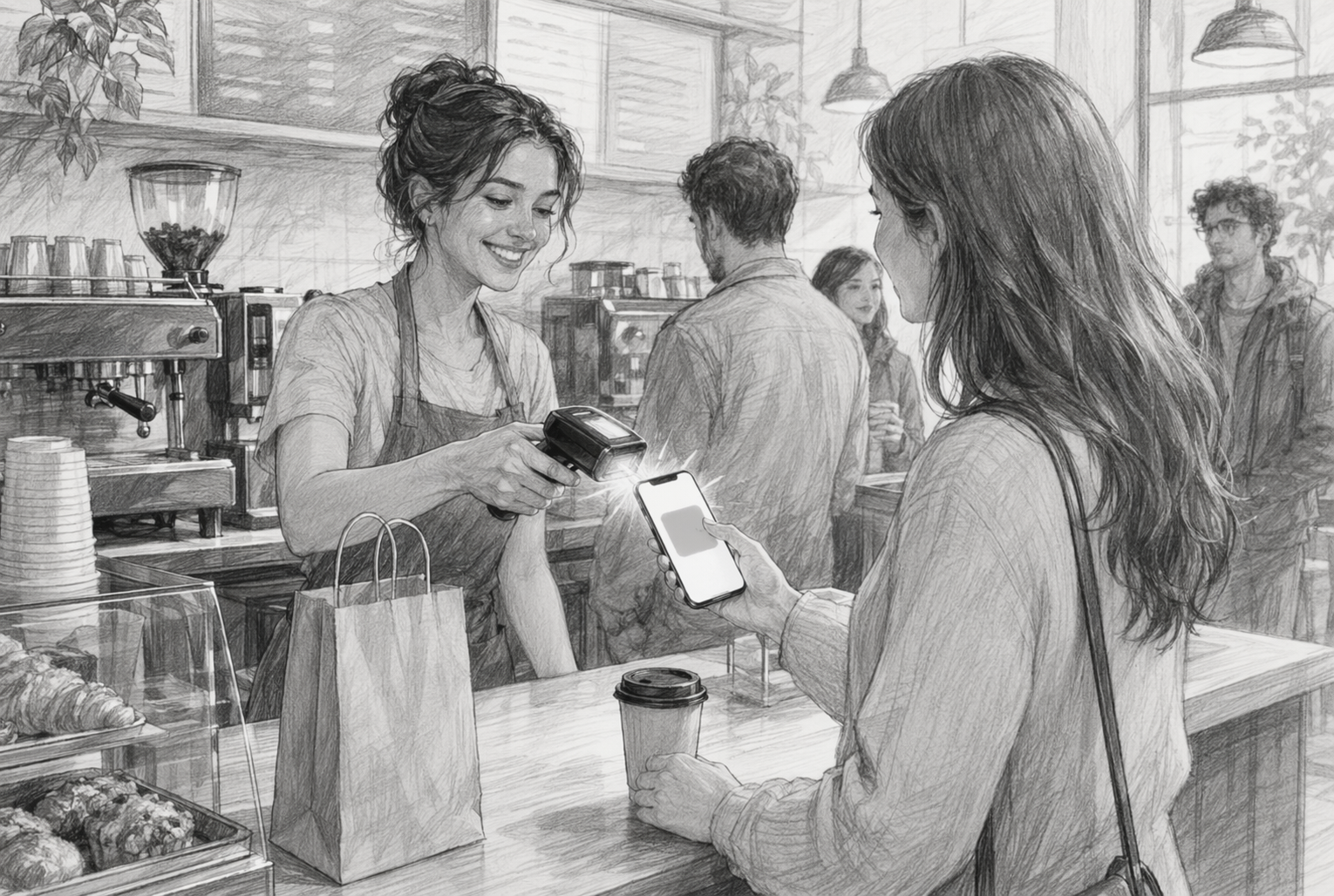
What changes is not just reward use. It is buying behavior. According to the 2026 Restaurant Industry Trends Report, 66% of consumers order more often from restaurants where they actively use a loyalty program.
Loyalty also helps you build habits, not one-off redemptions. A 2026 Resy and Toast report says up to 50% of order volume can come from just 7% of guests. A good loyalty program protects that group and grows it.
Keep the first reward close. If guests cannot see progress fast, they stop caring.
Also Read: Restaurant Loyalty Card Design Guide for Repeat Visits
Pick the model that matches how often guests visit, how much they spend, and how simple you need operations to stay.
Points-based programs
Best for brands with varied ticket sizes, online ordering, or multiple locations. Guests earn by spend, so the math feels fair. DoorDash’s loyalty guide notes points programs scale well and track reward use better than punch cards. Use them if you want data, promos, and cross-location control.
Stamp and punch-card programs
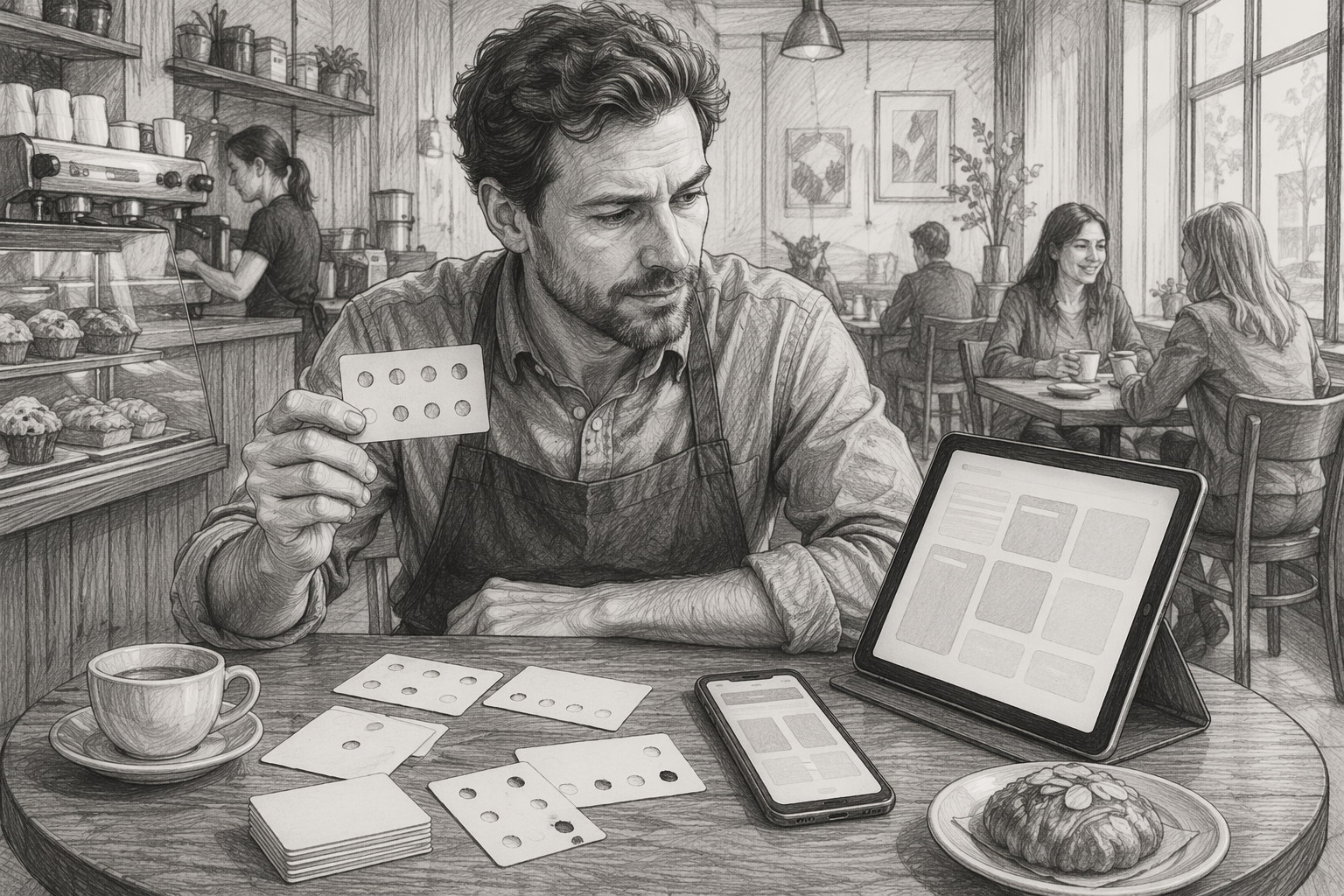
Best for coffee shops, bakeries, and lunch spots with repeat habits. They are easy to explain: buy 9, get 1 free. The downside is weak tracking and no guest data. This model works when speed matters more than insight, or when you want a low-cost start before going digital.
If most of your value comes from top spenders, a VIP model can beat a flat discount program.
Keep the first reward easy. People use loyalty when they see fast value. The National Restaurant Association says 96% of loyalty users like getting more value, so simple rewards win best according to the Association.
If guests need a calculator to understand the offer, usage drops.
Match rewards to what people already buy.
Pick rewards with strong appeal and low food cost.
Discounts help, but they are not enough. Deloitte found 47% of restaurant loyalty members use their memberships several times a month, and many brands now add exclusive access and personalized offers in Deloitte’s loyalty analysis.
Chains need consistency with local flavor.
For smaller chains, OneCup fits well if you want app-free loyalty that works across locations without adding friction.
App-based programs that built scale
Starbucks and McDonald's show what scale looks like when loyalty sits inside ordering. Starbucks said its 2026 redesign serves 35.5 million active U.S. members and adds Green, Gold, and Reserve tiers to push more visits and better reward pacing in its investor release. McDonald's built reach across app, drive-thru, counter, and kiosk, with +52% global loyalty member growth year over year according to Mastercard's case study.
Wallet-native and app-free examples
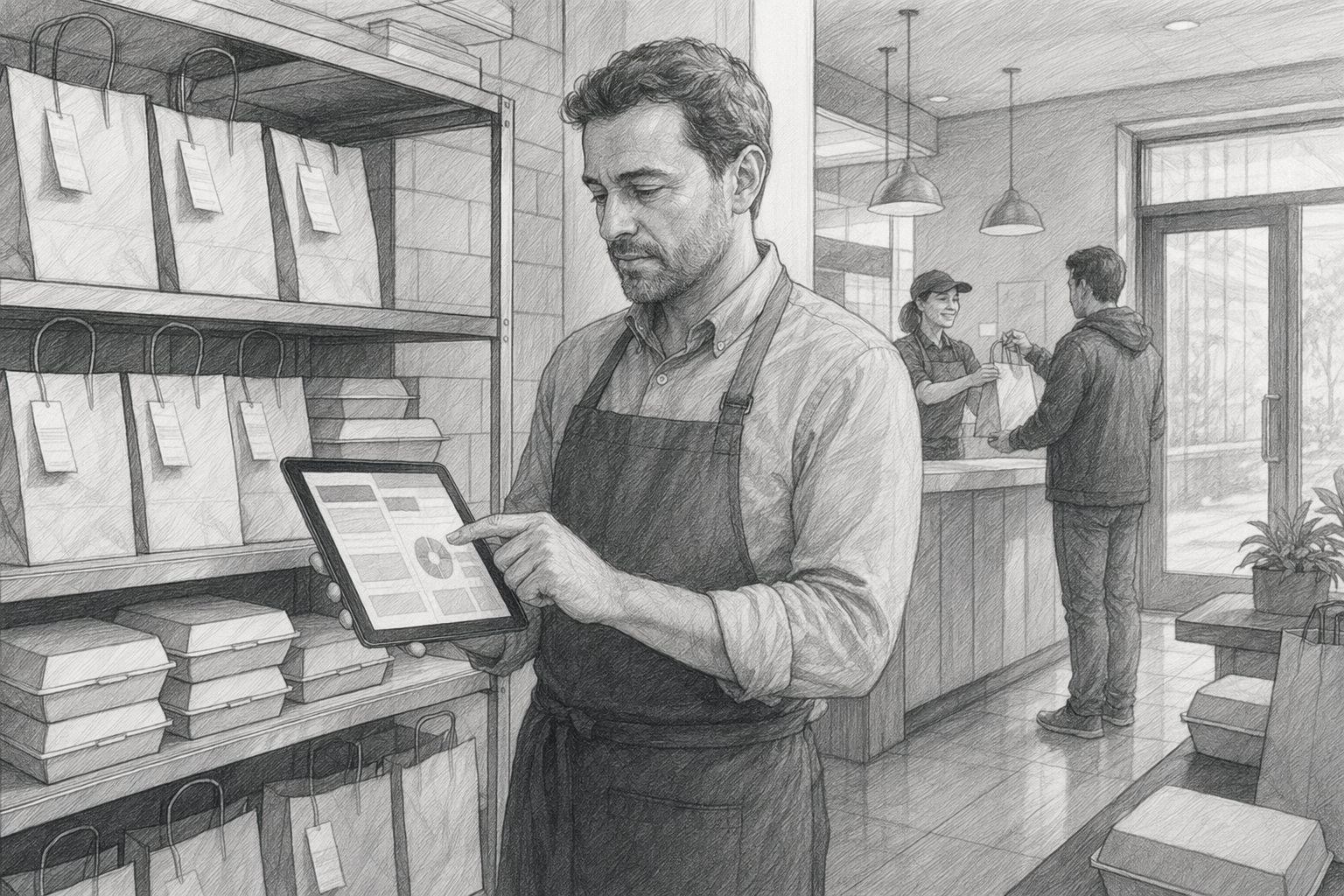
Smaller operators can learn a different lesson: remove friction. A cafe does not always need a full app, login flow, and app-store download. Wallet-native passes, digital stamp cards, and app-free options from brands like OneCup, Loopy Loyalty, and PassKit work well when speed matters most.
If your guests buy coffee, lunch, or snacks in under two minutes, app-free usually wins on sign-up rate.
What successful programs have in common
The best examples share a few habits:
A good loyalty program feels easy on day one and worth repeating by visit three.
Start with the basics. Check how fast guests can join, how rewards are tracked, and how staff use it in-store. Ask if it works with your POS, supports multi-location reporting, and shows clear retention data. Modern restaurant platforms now focus on connected guest data, personalization, and cross-channel use, according to The 2026 Loyalty Report.
If a demo takes 10 minutes to explain how a guest joins, it is probably too hard.
A branded app makes sense if you also need mobile ordering, payments, and rich account features. That usually fits bigger chains. If your main goal is easy signup and repeat visits, app-free options can remove friction. PAR says wallet-based loyalty can lift signups and speed checkout through app-less passes and one-scan use on its restaurant platform page.
OneCup fits restaurants and cafes that want a simple, wallet-native loyalty setup without asking guests to download anything. It makes sense for small groups, growing multi-location brands, and operators who want fast launch, lower friction, and easy repeat-visit programs.
Start small and make the rules clear.
If you want less friction, an app-free wallet pass option like OneCup can remove the download step.
Keep the invite short and tied to a real benefit.
Circana found that enrollment alone is not enough, so your message should focus on value and surprise, not hype.
Track a short list each week:
| Metric | Why it matters |
|---|---|
| Signup rate | Shows if staff pitch and signup flow work |
| 30 to 90 day repeat rate | Shows if new members come back |
| Redemption rate | Shows if rewards feel reachable |
| Average spend per member | Shows revenue lift |
| Active member rate | Shows ongoing engagement |
Paytronix reports the first 90 days after signup are where loyalty is built or lost, so watch that window first.
Want a loyalty program guests actually use? Try OneCup to launch app-free, wallet-native rewards fast, track repeat visits, and scale across one cafe or many locations.
The best program fits your check size, visit frequency, and staff workflow. Cafes often win with simple visit-based rewards. Full-service spots usually do better with points or spend-based tiers. If you want low friction, an app-free wallet pass like OneCup works well.
Customers join at checkout, by QR code, or online. They earn stamps, points, cashback, or perks after each visit. Your system tracks progress and sends reminders or offers. Good programs feel easy, reward fast, and give guests a clear reason to return soon.
There is no single best app for every restaurant. Pick based on ease, speed, and guest adoption. If downloads hurt signups, skip the app and use a wallet-native option like OneCup. If you need deeper ecommerce links, compare broader platforms carefully.
Start with proven ideas:
Keep the reward simple enough that staff can explain it in one sentence.
Restaurant loyalty works best when it is simple, fast to join, and easy to use. The strongest programs match the visit pattern of the business, reward early repeat visits, and avoid friction that kills signups. Recent 2026 industry reporting shows the first 90 days after signup matter most, and points-only programs are losing ground to more personal, behavior-based offers, according to the Paytronix 2026 Loyalty Report. For many restaurants and cafes, OneCup stands out because wallet-native loyalty removes app-download friction while keeping the guest experience quick and clear.
OneCup LLC
651 N BROAD ST - SUITE 201
MIDDLETOWN DE 19709
United States
Whatsapp : +18023003737

.svg)

.svg)