
Quick Summary: Wallet passes are generally better for small businesses because they are easier for customers to adopt, stay visible on devices, and cost less to implement. They require fewer steps to join, can send real-time updates, and don't need customers to download or log into an app. Standalone loyalty apps are better only if your business needs deep in-app features like booking or messaging.
For most small businesses, wallet passes beat Loyalty Apps. Customers join faster, forget them less, and use them more. If you run a Loyalty Program, the real choice is simple: add another app download, or make Digital Loyalty easy at checkout. We work with businesses comparing Loyalty Apps every day, so this guide shows where Loyalty Apps lose on adoption and cost, and where apps still make sense.
| wallet passes | standalone loyalty apps | |
|---|---|---|
| Join friction | Very low; no separate app download | Higher; requires install and account setup |
| Customer retention | High visibility on the device wallet | Depends on ongoing app use |
| Cost to launch | Lower than building a custom app | Higher; app build and maintenance |
| Customer engagement | Lock-screen alerts and real-time updates | Strong when users open the app regularly |
| Best for | Small businesses needing fast repeat visits | Brands needing deeper in-app control |
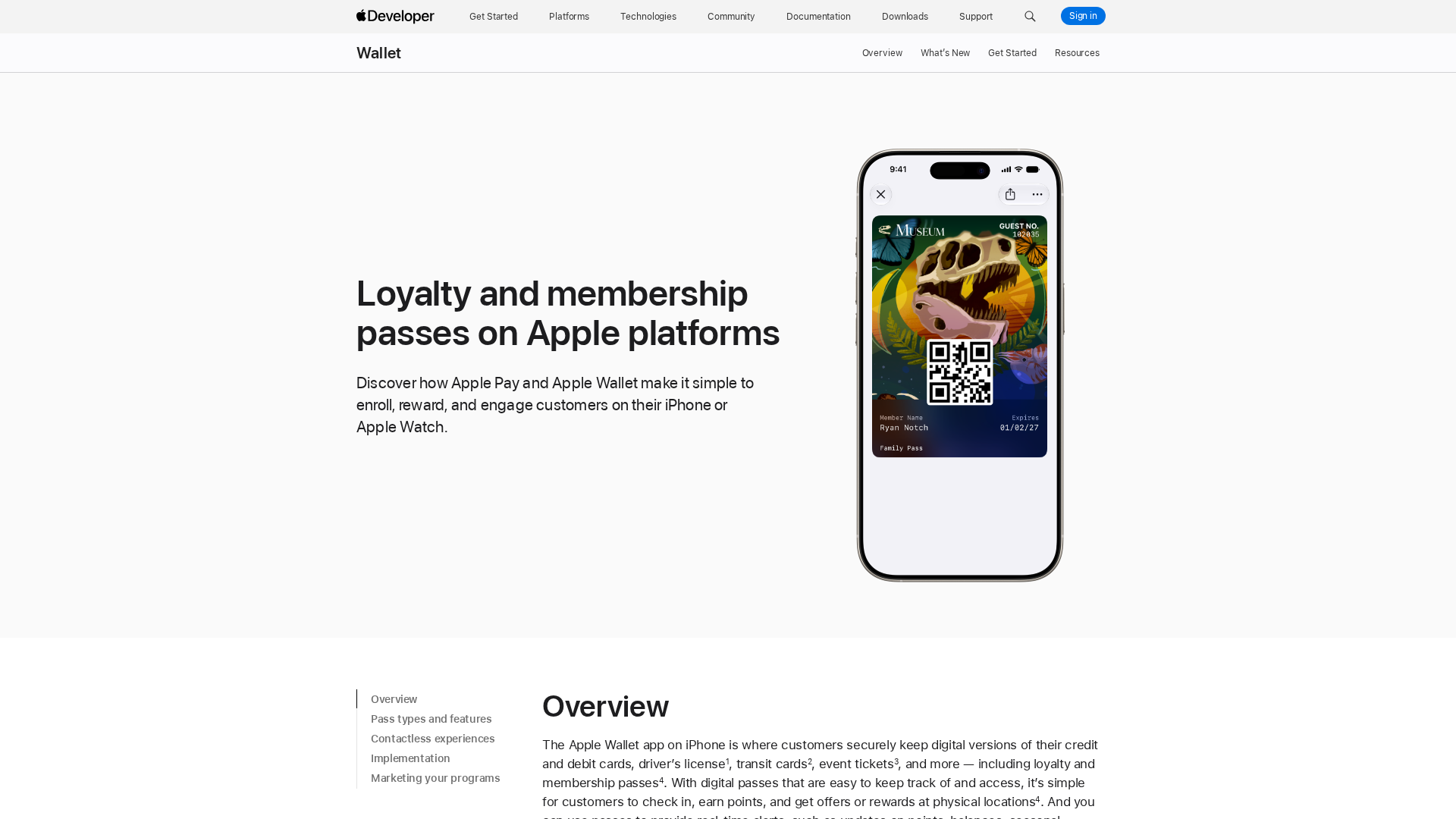
Wallet passes are digital loyalty cards saved in Apple Wallet or Google Wallet. They fit small businesses that want fast sign-up, easy access, and repeat visits without asking customers to install another app.
Key strengths
Standalone loyalty apps keep points, rewards, and member features inside a branded app. They suit businesses that want more in-app control and can support the extra lift of installs, setup, and ongoing app use.

Key strengths
Fewer steps win. A wallet pass usually takes one tap to add from email, web, QR, or checkout, with no app store visit, no download, and no login. Apple says users can add passes without installing the related app, and use them right from Wallet at checkout with Automatic Selection or a quick scan Apple Wallet setup Apple Support guide.\
<video id="xRG9300g4a" indent="0" align="center" src="
" />
Lock-screen visibility drives return visits. Apple Wallet passes can appear at the right time or place, and Google Wallet can send pass update notifications to the user’s lock screen Apple Wallet setup Google Wallet notifications.
That matters because customers do not need to remember your app. The pass shows up for them.
Launch effort and maintenance burden
A standalone app costs more because you build, test, submit, and keep updating it. Apple makes clear that apps go through review and can be removed if they stop working as intended, which adds ongoing upkeep App Review Guidelines. Wallet passes are lighter. Apple says users can add passes from web or email without installing an app, and passes can still be updated later Getting Started with Apple Wallet.
| Option | Launch effort | Ongoing work |
|---|---|---|
| Standalone app | High | High |
| Wallet pass | Low | Medium |

Where apps can still justify the spend
An app can still make sense if you need:
For most loyalty programs, that is overkill. A wallet-first setup with OneCup is usually faster to launch, easier to run, and cheaper to improve over time.
If loyalty is the main goal, start with passes first. Add an app only if you truly need app-only features.
Pick wallet passes if you want the fastest path to more return visits. Apple says loyalty passes are easy to distribute by SMS, email, QR codes, and can send lock screen alerts in Apple Wallet through real-time notifications. Google Wallet also supports pass update notifications and nearby pass alerts for saved passes. That means better visibility without asking customers to install anything.

For most small businesses, fewer steps means more signups and more repeat use.
Choose a standalone app only if loyalty sits inside a wider product, like ordering, booking, memberships, or paid content. An app makes sense when customers already need it every week.
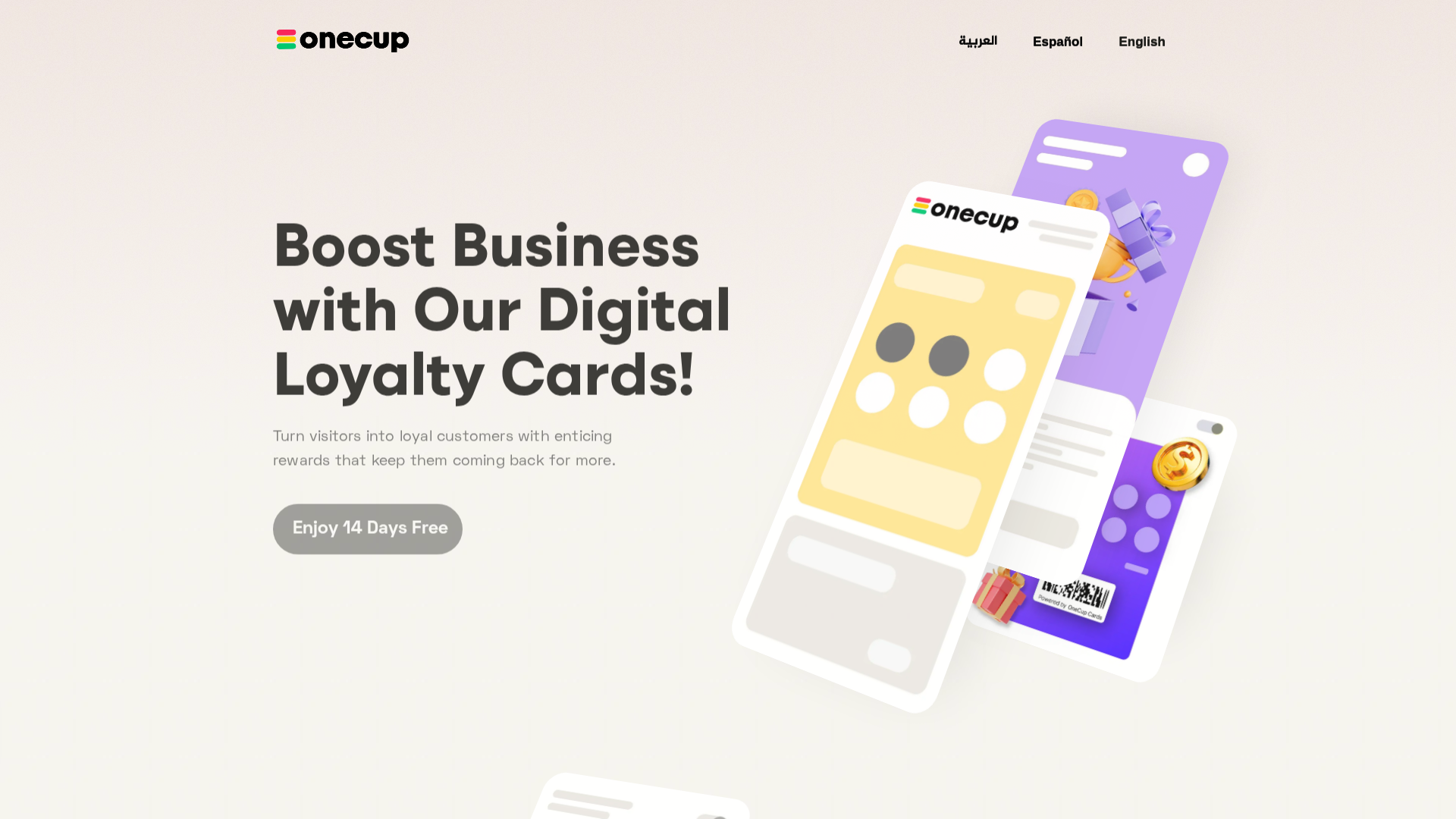
Skip the app barrier. Use OneCup to launch wallet-based loyalty faster, cut friction, and drive repeat visits.
Wallet passes live in Apple Wallet or Google Wallet, so customers skip app downloads. Standalone apps offer deeper features, but they cost more, need more upkeep, and usually get lower customer adoption.
Wallet passes stay visible on the phone, update in real time, and open fast. That makes repeat use easier. Loyalty apps often get ignored unless customers already have a strong reason to return often.
Wallet passes usually win on cost. You avoid app build costs, app store friction, and heavy maintenance. For most small businesses, tools like OneCup make launch, updates, and scaling much cheaper than a custom app.
Wallet passes usually win on sign-up, visibility, and cost. Apps fit only when you need deep features at scale. Current benchmarks also show stronger wallet engagement and higher pass adoption than app downloads.
OneCup LLC
651 N BROAD ST - SUITE 201
MIDDLETOWN DE 19709
United States
Whatsapp : +18023003737

.svg)

.svg)
